
OEM vs. Standard-Tapetenlieferanten: Wie sich Farbchargenabweichungen vermeiden lassen und Sie einen Partner finden, der mit Ihnen wächst
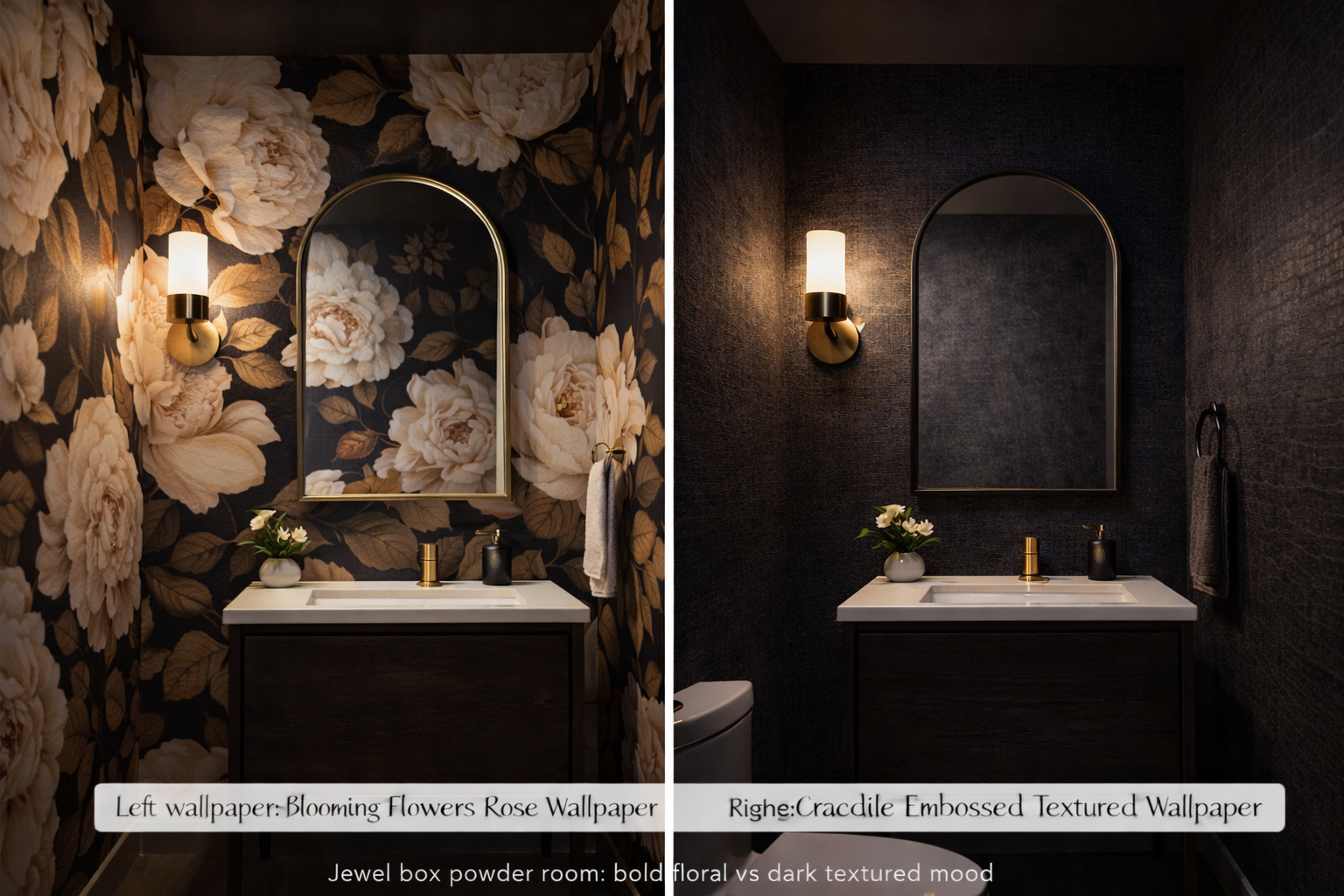
Eine Tapete ist mehr als nur eine Wandverkleidung – sie erneuert still und leise die Atmosphäre eines Raumes.
— JIFFDIFF
Farbchargenabweichungen sind das stille Berufsrisiko bei der Beschaffung im Designgeschäft. Sie sehen im Katalog des Lieferanten gleich aus. Sie sehen in der ersten Probe gleich aus. Sie zeigen sich erst an der Wand des Kunden – wenn die dritte Rolle nicht ganz zu den ersten beiden passt, wenn eine Nachbestellung für die nächste Projektphase nicht mit der ursprünglichen Installation übereinstimmt, wenn 8 von 12 Ihrer gestageten Objekte einen Salbeiton haben und 4 einen anderen. Wenn Sie es bemerken, ist das Projekt bereits zugesagt, der Kunde hat zugestimmt, und die Kosten für die Behebung fallen auf die Margen Ihres Studios oder Ihren beruflichen Ruf.
Dieser Leitfaden behandelt die zwei strukturellen Entscheidungen, die bestimmen, ob Farbchargenabweichungen bei Ihnen auftreten – oder nicht. OEM-Beschaffung (Original Equipment Manufacturer) und Katalogbeschaffung folgen grundlegend unterschiedlichen Logiken: unterschiedliche Produktionsplanung, unterschiedliche Farbmanagement-Infrastruktur, unterschiedliche Nachbestellprotokolle, unterschiedliche Skalierungspfade. Die meisten Designunternehmen begegnen beiden in verschiedenen Phasen und wählen nie explizit, welches Modell sie skalieren möchten. Dieser Artikel macht die Wahl explizit, mit den technischen Spezifikationen, die Sie benötigen, um sie bewusst zu treffen.
Teil 1 · Warum Chargenabweichungen auftreten – Die Produktionsrealität
Was verursacht eigentlich die Farbverschiebung zwischen Tapetenchargen?
Um zu verstehen, warum OEM- und Lagerbeschaffung unterschiedliche Ergebnisse bei der Chargenkonsistenz liefern, benötigen Sie eine kurze technische Grundlage. Farbchargenabweichungen in der Tapetenherstellung sind nicht zufällig – sie sind das vorhersehbare Ergebnis spezifischer Produktionsvariablen, die einige Lieferanten aktiv verwalten und andere überhaupt nicht.
Die fünf Variablen, die die Farbverschiebung von Charge zu Charge antreiben
• Substratvariation: Verschiedene Papier- oder Vinylchargen haben leicht unterschiedliche Grundfarben – eine „Weißpunkt“-Verschiebung von selbst Lab b* +1 zu -1 verändert, wie jede gedruckte Farbe darauf erscheint. Ein Lieferant ohne Substratverifizierungsprotokolle kann Chargen liefern, die unterschiedlich aussehen, bevor Tinte sie überhaupt berührt.
• Tintenchargenvariation: Pigmentformulierungen variieren zwischen Produktionschargen, insbesondere bei Sonderfarben und tiefen gesättigten Tönen. Eine Nachbestellung aus einer neuen Tintencharge desselben Artikels kann unter Standardbeleuchtung anders aussehen.
• Drift der Druckmaschinenkalibrierung: Digitale Druckköpfe, Pastensysteme und Härtungseinheiten driften im Laufe der Zeit. Ohne G7-kalibrierte Qualitätskontrolle, die in Intervallen gegen einen festen digitalen Standard misst, akkumuliert sich die Drift zwischen den Produktionsläufen.
• Umweltfaktoren: Luftfeuchtigkeit und Temperatur während des Drucks beeinflussen das Verhalten der Tinte. Die Viskosität der Tinte ändert sich mit der Maschinenhitze. Ein Druckvorgang an einem 35 °C warmen Nachmittag druckt anders als einer bei 22 °C.
• Wechselwirkung zwischen Substrat und Beschichtung: Matte und glänzende Oberflächen brechen das Licht bei der gleichen gedruckten Farbe unterschiedlich. Wenn sich die Oberflächenbeschichtungscharge ändert (unterschiedlicher Glanzgrad, unterschiedliche Chemie), ändert sich die Farbwiedergabe unabhängig von der Tintengenauigkeit.
Diese Variablen existieren in jedem Druckbetrieb. Der Unterschied zwischen professioneller und Amateurfertigung besteht darin, ob der Lieferant sie misst und kontrolliert. Die Internationale Organisation für Normung (ISO) 12647-2 ist der internationale Druckstandard, der festlegt, wie Farbtoleranzen gemessen werden sollten und was akzeptable ΔE-Bereiche in der professionellen Produktion tatsächlich bedeuten. Lieferanten, die nach diesem Standard arbeiten, verwalten Farbe als messbare Produktionsspezifikation. Lieferanten ohne diese Disziplin verwalten Farbe nach Hoffnung.

Teil 2 · ΔE-Toleranz – Was die Zahlen tatsächlich bedeuten
Wie viel Farbabweichung ist tatsächlich akzeptabel – und wie sieht die Spezifikation aus?
ΔE ist die Standardeinheit zur Messung von Farbunterschieden im kommerziellen Druck. Kleinere Zahlen bedeuten einen geringeren sichtbaren Unterschied zwischen zwei Farben. Aber ΔE auf einem Datenblatt ist nur relevant, wenn Sie wissen, was jede Zahl in der visuellen Erfahrung in der realen Welt tatsächlich bedeutet.
|
ΔE-Bereich |
Visuelle Wahrnehmung |
Auswirkung auf die Tapete |
Akzeptabel? |
|
ΔE < 1 |
Nicht wahrnehmbar |
Identisch über Chargen hinweg |
Exzellent ✅ |
|
ΔE 1–2 |
Nur geschultes Auge |
Effektiv unsichtbar |
Professionell ✅ |
|
ΔE 2–3 |
Wahrnehmbar, genaue Prüfung |
Auf derselben Wand erkennbar |
Akzeptabel ⚠️ |
|
ΔE 3–5 |
Deutlich sichtbar |
Sichtbare Chargenverschiebung |
Problematisch ❌ |
|
ΔE > 5 |
Ganz andere Farben |
Kundenbeschwerden |
Inakzeptabel ❌ |
ΔE ≤ 2.0 professioneller B2B-Benchmark für Tapetenchargen-Toleranz JIFFDIFF schriftliche Spezifikation
ΔE 5 ISO 12647-2 Standard für kommerziellen Druck Industrieminimum, oft unzureichend für das Designgeschäft
ΔE > 5 deutlich sichtbarer Farbunterschied inakzeptabel für jede professionelle Installation
Warum ΔE ≤ 2.0 die Spezifikation ist, die für die Beschaffung im Designgeschäft wichtig ist
Die branchenübliche Mindesttoleranz nach ISO 12647-2 beträgt ΔE < 5. Dies ist der allgemeine Standard für den kommerziellen Druck – ausgelegt für eine tolerierbare Farbabweichung bei massenproduzierten Verbrauchsmaterialien. Für die Tapetenbeschaffung im Designgeschäft, wo dieselbe Artikelnummer über mehrere Räume desselben Projekts, mehrere Objekte desselben Staging-Portfolios oder mehrere Installationsphasen derselben Renovierung installiert werden kann, ist ΔE < 5 betrieblich unzureichend. Eine für das menschliche Auge sichtbare Farbverschiebung zwischen Rollen an derselben Wand ist der professionelle Fehlerfall, von dem Sie sich nicht erholen können.
Der professionelle B2B-Standard ist ΔE ≤ 2.0 – die Schwelle, unter der Farbunterschiede unter Standard-D50-Beleuchtungsbedingungen für das menschliche Auge nicht mehr wahrnehmbar sind. Dies ist die Spezifikation, die JIFFDIFF für alle B2B-Produktionen dokumentiert, erreicht durch G7-kalibriertes Farbmanagement und kontinuierliche Spektralphotometermessung gegen feste digitale Standards.
Der teuerste Beschaffungsfehler: ΔE 5 als „innerhalb des Industriestandards“ für ein Multi-Location-Projekt zu akzeptieren, bei dem Farbkonstanz Teil des Auftrags ist. Der Lieferant hat technisch Recht, dass ΔE 5 die ISO 12647-2 erfüllt. Er bereitet aber auch eine Kundenbeschwerde vor, die Ihr Studio ausbaden wird. Spezifizieren Sie ΔE ≤ 2.0 schriftlich vor jeder Bestellung – und lehnen Sie Lieferanten ab, die dies nicht erfüllen können.
Teil 3 · OEM vs. Lagerbestand – Der strukturelle Unterschied
Wie vergleichen sich diese beiden Modelle tatsächlich – und welches skaliert mit Ihnen?
OEM- und Lagerbeschaffung sind nicht dasselbe Geschäftsmodell mit unterschiedlichen Preisklassen. Es handelt sich um unterschiedliche Produktionssysteme, unterschiedliche Farbmanagement-Infrastrukturen, unterschiedliche Nachbestellprotokolle und unterschiedliche Wachstumspfade. Das Verständnis der strukturellen Unterschiede entscheidet darüber, ob die Tapetenbeschaffung Ihres Studios das Wachstum unterstützt oder einschränkt.
|
Faktor |
Lagerlieferant (Katalog) |
OEM-Fertigungspartner |
|
Designquelle |
Vorhandene Bibliothek des Herstellers – geteilt |
Ihre Designs oder angepasste Katalogauswahl |
|
Farbchargenkonsistenz |
Was der Hersteller gerade liefert |
Dokumentierte ΔE-Toleranz, Chargensperre verfügbar |
|
Farbanpassung bei Nachbestellung |
Kann mit vorheriger Charge übereinstimmen oder auch nicht |
Einzelchargenprotokoll + dokumentierte Chargennummern |
|
Markenexklusivität |
Derselbe Artikel wird an jeden mit einer Bestellung verkauft |
Ihre kundenspezifischen Designs gehören Ihnen, IP-geschützt |
|
Vorhersagbarkeit der Lieferzeiten |
Hängt vom Lagerzyklus des Händlers ab |
15 Tage Produktion ab bestätigter Bestellung, dokumentiert |
|
Musterbearbeitung |
Oft 1–2 Wochen über Händlerkanäle |
48 Stunden Versand von physischen Mustern Standard |
|
Inhalt / Fotografie |
Generische Herstellerbilder, keine Studioressourcen |
Inhalte in Studioqualität werden mit der Bestellung geliefert |
|
Skalierbarkeit |
Statischer Katalog, kein Studioprogrammpfad |
Skalierbar konzipiert: Test → Volumen → Private Label |
Katalogbeschaffung – Wo sie funktioniert und wo sie versagt
Die Beschaffung über Lagerlieferanten funktioniert bei der Spezifikation einzelner Projekte, bei denen keine exakte Farbkonstanz bei Nachbestellungen erforderlich ist. Ein Innenarchitekt, der eine einzelne Akzentwand in einem einzigen Haus ohne Nachbestellungsabsichten spezifiziert, kann die Katalogbeschaffung ohne ernsthaftes Risiko nutzen. Die Tapete erfüllt ihren Zweck für dieses Projekt. Das Lieferantenmodell ist zweckmäßig.
Die Katalogbeschaffung versagt, wenn Sie skalieren. Multi-Property-Staging-Portfolios, kommerzielle Ketten mit mehreren Standorten, wiederkehrende Designstudio-Arbeiten, die dieselben Artikelnummern über mehrere Kundenprojekte hinweg nachbestellen – all dies kann von Kataloglieferanten, die die Chargenkonsistenz auf Produktionsebene nicht kontrollieren, nicht zuverlässig bedient werden. Das erste Anzeichen eines Fehlers ist in der Regel eine Nachbestellung, die nicht mit der ursprünglichen Installation übereinstimmt. Wenn es auftaucht, steckt Ihr Studio mitten im Projekt, und die Wiederherstellungsoptionen sind alle teuer.
OEM-Beschaffung – Das Modell, das zum Skalieren entwickelt wurde
Die OEM-Beschaffung folgt einer anderen Produktionslogik. Ihre Designs (oder Ihre kundenspezifischen Katalogauswahlen) werden speziell für Sie in Einzellauflagen produziert, mit dokumentierter ΔE-Farbtoleranz und Chargennummern, die bis zu jedem Karton nachvollziehbar sind. Nachbestellungen werden protokollbasiert verwaltet: Die Produktion wird so geplant, dass die Konsistenz mit früheren Chargen gewahrt bleibt, Farbreferenzen werden als feste digitale Standards gespeichert und nicht einfach nur an den „letzten Lauf“ angepasst.
Dies ist kein Premium-Zusatz – es ist ein grundlegend anderes Betriebssystem. Ein Studio, das über OEM beschafft, baut auf einer Infrastruktur auf, die sein Wachstum unterstützen kann. Ein Studio, das über Lagerkataloge beschafft, arbeitet mit einer Infrastruktur, die seine Skalierung begrenzt, bevor Farbinkonsistenz zu einem ständigen Hintergrundrisiko wird.
Die strategische Frage für jedes Designunternehmen: Wo wollen Sie in drei Jahren stehen? Wenn die Antwort eine Multi-Projekt-Konsistenz, markengerechte individuelle Designs oder eine Studio-Kollektion unter eigenem Namen beinhaltet, ist das OEM-Modell der einzige strukturelle Weg, der dies unterstützt. Die Entscheidung, in OEM zu skalieren, ist eine Entscheidung, auf einer Produktionsinfrastruktur zu arbeiten, die in Momenten, in denen der Ruf Ihres Studios auf dem Spiel steht, nicht versagt.

Teil 4 · Wie die Skalierung mit JIFFDIFF tatsächlich aussieht
Wie löst JIFFDIFFs OEM-Programm speziell Chargenabweichungen und Skalierungsbeschränkungen?
Das B2B-Programm von JIFFDIFF wurde auf der Grundlage der operativen Realitäten entwickelt, die die meisten Designunternehmen dazu veranlassen, ihre Beschaffungsbeziehungen zu überwachsen. Die spezifischen Fähigkeiten, die Farbchargenabweichungen verhindern und die Skalierung unterstützen, sind keine Wunschvorstellungen – es sind dokumentierte Produktionsprotokolle.
Die Produktionsprotokolle, die Chargenabweichungen verhindern
• G7-kalibriertes Farbmanagement – Spektralphotometermessung anhand fester digitaler Standards in jedem Produktionsintervall, wobei Abweichungen während des Laufs in Echtzeit verfolgt und korrigiert werden, nicht erst am Ende
• ΔE ≤ 2,0 schriftliche Toleranz – dokumentiert für jede B2B-Bestellung, mit auf Anfrage verfügbaren Chargen-ΔE-Messprotokollen für jeden Produktionslauf
• Sperrung der Einzelchargenproduktion – für Multi-Rollen-, Multi-Panel-, Multi-Standort-Bestellungen werden alle Rollen aus einer Tintencharge, einer Substratcharge, einem Kalibrierungslauf produziert
• Chargennummerndokumentation – jeder Karton ist mit einer Chargennummer zur Rückverfolgbarkeit gekennzeichnet; Nachbestellprotokolle beinhalten Chargenabgleich mit früheren Produktionen zur Konsistenz über gestaffelte Lieferungen hinweg
• Überprüfung des Weißpunkts des Substrats – eingehende Materialien werden vor Produktionsbeginn überprüft, wodurch die häufigste Ursache für Farbabweichungen zwischen Chargen eliminiert wird
• Physische Muster im Produktionsmaßstab – 48-Stunden-Musterversand im Produktionsmaßstab (nicht Mustergröße), sodass der Feldtest das tatsächliche Produktverhalten widerspiegelt, nicht eine Annäherung
Der Skalierungspfad, für den JIFFDIFF gebaut wurde
Der 4-stufige Wachstumspfad für Designunternehmen, die über JIFFDIFF beziehen, ist im Betriebsmodell verankert – und kein Marketingrahmen, der auf einen Hersteller nachträglich angepasst wurde:
• Stufe 1 (Validierung): Kauf einer Einzelrolle bei Amazon oder TikTok Shop für 25–50 $, reale Installation in einem realen Projekt, Validierung der Qualität vor jeder B2B-Verpflichtung
• Stufe 2 (Projektspezifikation): 48-Stunden-B2B-Physisches Muster für spezifische Projektmaße und Farbgebung, ΔE ≤ 2,0 dokumentiert für die Installation
• Stufe 3 (Volumenaufbau): ODM bei 10–50 Rollen mit enthaltenem Inhaltspaket, chargengesperrte Produktion für die Bestellung, Studio-Preise
• Stufe 4 (OEM-Studio-Programm): Vollständige kundenspezifische Produktion nach Designer-Artwork, Private-Label-Verpackung unter Ihrer Studio-Marke, Design-IP schriftlich geschützt, mehrstufige phasenweise Lieferung für Portfolio-Rollouts
Die zugrunde liegende Überzeugung
Bei JIFFDIFF glauben wir, dass eine Tapete mehr tut, als eine Wand zu bedecken – sie erneuert still und leise die Atmosphäre eines Raumes. Für Designunternehmen übersetzt sich diese Überzeugung in ein spezifisches operatives Engagement: eine Beschaffungsbeziehung, die mit Ihrem Studio wächst, anstatt es zu begrenzen. Wir begannen mit der Überzeugung, dass schöne Räume nicht teuer, kompliziert oder unerreichbar sein sollten. Für B2B-Partner bedeutet das Chargenkonsistenz bei jeder Bestellung, IP-Schutz bei jeder kundenspezifischen Produktion und ein Betriebssystem, das so konzipiert ist, dass der gleiche Salbeifarbton in Ihrem ersten Projekt immer noch mit dem gleichen Salbeifarbton in Ihrem hundertsten übereinstimmt – denn Konsistenz ist das, was einem Studio ermöglicht, eine Marke zu werden.

Teil 5 · FAQs — Spezifische Antworten, die die Suche beenden
Häufig gestellte Fragen: OEM vs. Lagerbestand Tapetenbeschaffung und Farbchargenkonstanz
Zusammengestellt aus Reddit (r/InteriorDesign, r/designbusiness, r/ecommerce, r/Manufacturing) und den häufigsten Google-Suchanfragen zu Tapeten-Chargenkonsistenz und OEM-Beschaffung.
F: Was ist der Unterschied zwischen OEM und der Beschaffung von Lagertapeten?
Lagerbeschaffung bedeutet den Kauf aus dem bestehenden Katalog eines Herstellers ohne Anpassung oder Kontrolle der Chargenkonsistenz; OEM (Original Equipment Manufacturer) Beschaffung bedeutet speziell für Sie geplante Produktion mit dokumentierter Farbtoleranz, Einzelchargenproduktion, IP-Schutz und Skalierbarkeit für Studioprogramme.
F: Welche ΔE-Farbtoleranz ist für Tapeten zwischen Chargen akzeptabel?
Der professionelle B2B-Standard ist ΔE ≤ 2,0 – die Schwelle, unter der Farbunterschiede für das menschliche Auge unter Standard-D50-Beleuchtung nicht wahrnehmbar sind; der breitere kommerzielle Druck nach ISO 12647-2 erlaubt ΔE bis zu 5, was für die Beschaffung im Designbereich unzureichend ist, wo die Konsistenz über mehrere Rollen oder Standorte hinweg wichtig ist.
F: Wie stelle ich die Farbkonsistenz bei Nachbestellungen von Tapeten für eine Projektphase sicher?
Verlangen Sie schriftlich eine Einzelchargenproduktion für die gesamte Bestellung, fordern Sie die Chargennummerndokumentation auf jedem Karton an und bestätigen Sie, dass das Nachbestellprotokoll des Lieferanten feste digitale Farbstandards verwendet, anstatt „den letzten Lauf abzustimmen“ – die Batch-Lock- und Batch-Tracking-Protokolle von JIFFDIFF sind Standard für alle mehrphasigen Projektbestellungen.
F: Warum sehen Tapeten derselben SKU zwischen verschiedenen Rollen unterschiedlich aus?
Chargenabweichungen aus verschiedenen Produktionsläufen sind die häufigste Ursache – hervorgerufen durch Verschiebungen des Substrat-Weißpunkts, Variationen der Tintencharge, Abweichungen der Pressenkalibrierung und Umgebungsbedingungen während des Drucks; die Lösung besteht darin, von einem Lieferanten mit G7-kalibriertem Farbmanagement und Einzelchargen-Produktionssperre zu beziehen, anstatt von einer Konsistenz allein aufgrund des SKU-Namens auszugehen.
F: Können Lager-Tapetenlieferanten Farbabstimmung bei Nachbestellungen garantieren?
Die meisten nicht – Lagerlieferanten arbeiten nach Lagerumschlag statt nach chargenverwalteter Produktion; für jedes Projekt, das Nachbestellkonsistenz erfordert, beziehen Sie von einem OEM-Hersteller mit dokumentierter ΔE-Toleranz und Chargensperrprotokollen, oder akzeptieren Sie das Risiko, dass zukünftige Bestellungen möglicherweise nicht übereinstimmen.
F: Was ist G7-kalibriertes Farbmanagement und warum ist es für Tapeten wichtig?
G7 ist die branchenübliche Farbmanagement-Methodik, die Spektralphotometermessungen anhand fester digitaler Referenzen verwendet, um die Farbgenauigkeit über Produktionsläufe hinweg zu gewährleisten; G7-kalibrierte Tapetenproduktion liefert konsistente ΔE-Ergebnisse über die Zeit, was professionelle Chargenkonsistenz ermöglicht.
F: Wie wechsle ich von der Lager- zur OEM-Tapetenbeschaffung, wenn mein Designunternehmen wächst?
Der Skalierungspfad: Überprüfen Sie Lager-SKUs durch Einzelhandelsversuche (Amazon, TikTok Shop) für 25–50 $ pro Rolle, wechseln Sie zu B2B-ODM-Anpassungen bei 10–50 Rollen mit Studiopreisen und Inhaltslieferung, und übertragen Sie dann bewährte Designs auf die vollständige OEM-Produktion mit Private-Label-Verpackungen und IP-Schutz – JIFFDIFF unterstützt den gesamten Weg aus einem Kanal.
F: Was passiert, wenn die Tapetenfarbe bei meiner Nachbestellung nicht übereinstimmt?
Bei Bezug von einem Nicht-OEM-Lagerlieferanten in der Regel nichts – Farbabweichungen innerhalb der kommerziellen Drucktoleranz sind die angegebene Position des Lieferanten und nicht einklagbar; OEM-Partner mit schriftlichen ΔE ≤ 2,0 Toleranzverpflichtungen beinhalten Chargenabgleichprotokolle und Sanierungspfade in ihren B2B-Vereinbarungen, was der Schutz ist, den Ihr Studio tatsächlich benötigt.

Hinterlasse einen Kommentar
Diese Website ist durch hCaptcha geschützt und es gelten die allgemeinen Geschäftsbedingungen und Datenschutzbestimmungen von hCaptcha.