
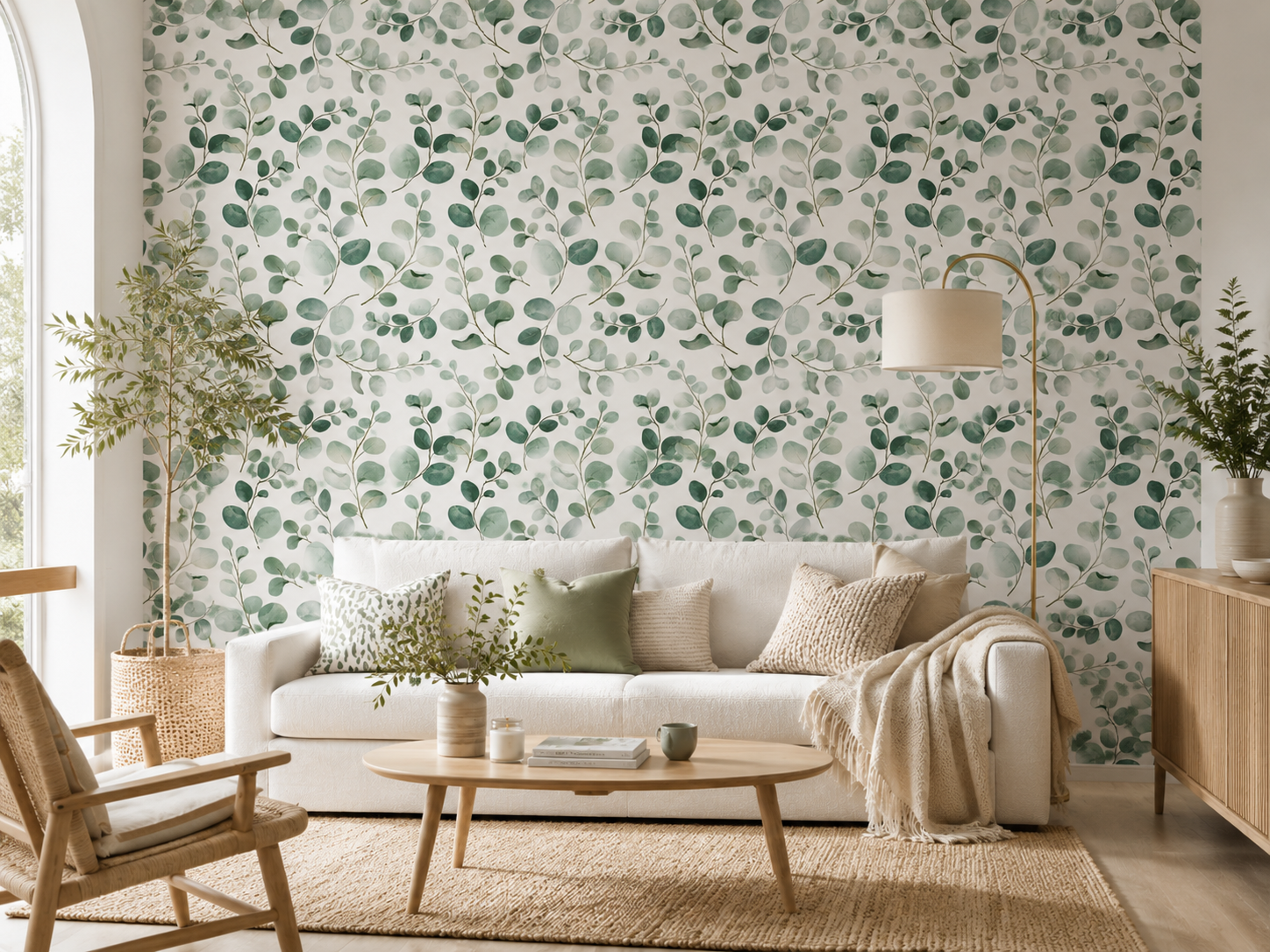
Por qué el papel tapiz autoadhesivo es la categoría de mayor crecimiento en la decoración mayorista para el hogar en este momento
Algo está ocurriendo en la decoración del hogar al por mayor, y los números son difíciles de ignorar.
El papel pintado adhesivo (peel and stick), que antes se consideraba una novedad de consumo de nicho para residencias universitarias y apartamentos de alquiler, se ha convertido silenciosamente en una de las categorías de productos más buscadas, más pedidas y de mayor margen en la cadena de suministro de decoración del hogar B2B. Los compradores minoristas lo están impulsando. Las marcas de comercio electrónico están construyendo sus líneas de productos en torno a él. Los diseñadores de interiores lo especifican para clientes comerciales. Y la investigación de mercado es inequívoca sobre hacia dónde se dirige todo esto.
Esta publicación es un resumen del mercado, no un discurso de ventas. Si usted es una marca, un distribuidor o un minorista que está evaluando si añadir papel pintado autoadhesivo a su catálogo, aquí tiene los datos y el contexto que necesita para tomar esa decisión con confianza. También compartiremos qué está impulsando el impulso de la categoría, qué segmentos de compradores lideran la demanda y qué diferencia a los proveedores que realmente pueden cumplir a escala mayorista de los que no pueden.

Parte 1 · La oportunidad de mercado
¿Qué tan grande es el mercado de papel pintado adhesivo en este momento?
La respuesta corta: significativamente mayor de lo que la mayoría de los compradores mayoristas creen, y creciendo más rápido que casi cualquier categoría adyacente de decoración del hogar.
$2.64B Tamaño del mercado global valorado en 2024 (Wise Guy Reports)
$7.0B Proyectado para 2035 a una CAGR del 9.2%
$1.2B Norteamérica 2024 la mayor cuota de una sola región
60% Subsegmento adhesivo de todas las ventas de papel pintado removible
Para poner esto en contexto: el mercado general del papel pintado está creciendo a una tasa de crecimiento anual compuesta (CAGR) de alrededor del 2.5%. El segmento adhesivo está creciendo a casi cuatro veces esa tasa. La categoría no está aprovechando el crecimiento del mercado del papel pintado, lo está liderando. Y dentro del segmento de papel pintado removible, los formatos autoadhesivos representan ahora la mayoría del volumen, según Global Insight Services.
La tesis de Norteamérica: por qué este mercado, por qué ahora
La posición de Norteamérica de $1.2B como el mercado regional más grande no es accidental. Tres fuerzas estructurales están convergiendo simultáneamente:
▸ Escala de la economía de alquiler. Estados Unidos tiene más unidades de vivienda ocupadas por inquilinos que en cualquier otro momento desde la década de 1960. Los inquilinos no pueden realizar modificaciones permanentes en las paredes; los revestimientos de pared autoadhesivos son una de las pocas opciones de diseño de interiores significativas disponibles para ellos. La señal de demanda de este grupo demográfico es estructural, no cíclica.
▸ Crecimiento de los alquileres a corto plazo. El mercado de Airbnb y VRBO ha creado una clase profesional de inversores inmobiliarios que tratan el diseño de interiores como una variable de ingresos. El papel pintado adhesivo es el único formato de revestimiento de pared que se puede actualizar entre temporadas de huéspedes sin mano de obra profesional ni costes de reparación de paredes.
▸ El ciclo de diseño de las redes sociales. Pinterest, Instagram y TikTok han comprimido los ciclos de tendencias de diseño de interiores de años a meses. Tanto los consumidores como los clientes comerciales esperan que los espacios se sientan actuales, y el único formato de revestimiento de pared que puede seguir el ritmo de ese ciclo, de manera rentable, es el removible.
Estas no son tendencias que se revertirán. Son cambios demográficos y de comportamiento que se han estado gestando durante una década y que ahora han superado el punto de inflexión.
Datos de mercado de un vistazo
|
Métrica |
Valor 2024 |
Proyección 2035 |
CAGR |
|
Tamaño del mercado |
$2.64B |
$7.0B |
9.2% |
|
Cuota de Norteamérica |
$1.2B |
$2.9B |
6.5%+ |
|
Cuota adhesiva |
60% de lo removible |
— |
Subsegmento de más rápido crecimiento |
Fuentes: Wise Guy Reports, Global Insight Services, DataIntelo. Para la metodología completa detrás del dimensionamiento del mercado global de papel pintado adhesivo, el Informe del mercado de papel pintado removible de Global Insight Services proporciona datos de mercado independientes y no comerciales, y es una referencia útil para la planificación de adquisiciones y decisiones de inversión en la categoría.
Parte 2 · Qué impulsa realmente la demanda B2B
¿Qué segmentos de compradores están impulsando esta categoría y por qué?
Las cifras del tamaño del mercado describen la oportunidad. Los datos del segmento de compradores describen quién está creando realmente la demanda y por qué la demanda es duradera en lugar de impulsada por tendencias. Hay cinco segmentos distintos de compradores B2B que actualmente lideran la demanda mayorista de papel pintado autoadhesivo, y cada uno tiene una motivación fundamentalmente diferente.
|
Tipo de comprador |
Por qué compran |
Qué necesitan de un proveedor |
|
Marcas de e-commerce / Shopify |
Diversificación rápida de SKU, respuesta a tendencias |
Más de 100 diseños nuevos/mes, MOQ bajo, activos de contenido |
|
Anfitriones de Airbnb y operadores de STR |
Diferenciación de la experiencia del huésped, actualización fácil |
Adhesivo duradero, precios por volumen, instalación llave en mano |
|
Firmas de diseño de interiores |
Agilidad en proyectos de clientes, documentación de especificaciones |
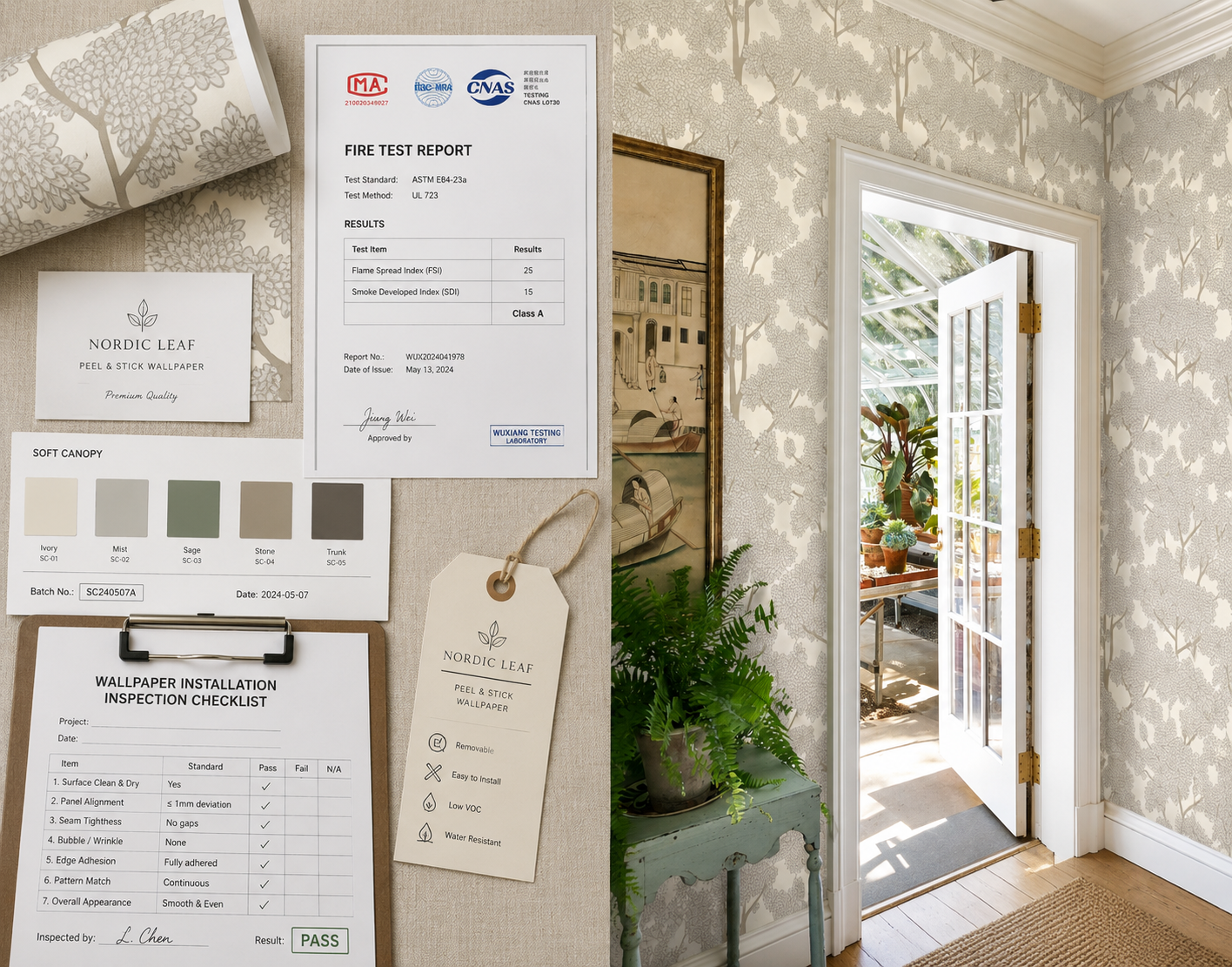
Combinaciones de colores personalizadas, muestras de 48 h, certificados de incendio |
|
Cadenas de tiendas minoristas |
Actualizaciones visuales estacionales, flexibilidad de marca propia |
Marca privada, consistencia de lotes, entrega en 15 días |
|
Marcas educativas |
Entornos de marca basados en habitaciones, materiales seguros |
Certificación de bajo VOC, murales personalizables, MOQ bajo |
El factor de impulso del comercio electrónico
El comercio minorista en línea no es solo un canal de distribución para esta categoría, es el principal motor de crecimiento. Las búsquedas en Etsy de papel pintado removible aumentaron más del 200% entre 2020 y 2024. La categoría de decoración del hogar de Amazon clasifica constantemente el papel pintado adhesivo entre sus SKU de mayor velocidad en el segmento de revestimientos de pared. Y los constructores de marcas de Shopify, los fundadores de DTC que forman la columna vertebral de la demanda mayorista emergente, citan abrumadoramente al papel pintado como una de las primeras categorías más seguras para ingresar debido a su alta intención de búsqueda, baja tasa de devolución y diferenciación de diseño escalable.
Para los compradores mayoristas que construyen un catálogo de comercio electrónico, las matemáticas son sencillas. Un producto con un alto volumen de búsqueda, una complejidad de SKU manejable y un margen objetivo del 40-60%, y donde la novedad del diseño impulsa la compra repetida, es el perfil de categoría que buscan la mayoría de los operadores. El papel pintado adhesivo marca todas las casillas.
El efecto Airbnb: cuando un producto de consumo se convierte en un básico B2B
Los operadores de alquiler a corto plazo están comprando revestimientos de pared autoadhesivos de la forma en que los hoteles boutique solían comprar papel pintado de grado comercial: a granel, con la consistencia de la marca como objetivo y con la eficiencia operativa como restricción. Un solo inversor de Airbnb que gestiona 12 propiedades no quiere llamar a un pintor cada vez que un inquilino deja una marca en la pared. Quieren un producto que puedan instalar ellos mismos, reemplazar sin oficios y obtener de manera confiable cada trimestre.
Este segmento de compradores está impulsando la demanda de sistemas adhesivos duraderos, diseños que se fotografían bien para imágenes de listados y proveedores que pueden cumplir pedidos repetidos con una combinación de colores constante. Es un perfil de demanda mayorista que se parece más a la adquisición comercial que a la compra del consumidor, y la mayoría de los proveedores no están configurados para atenderlo adecuadamente.
Parte 3 · La brecha del lado de la oferta — y lo que significa para los compradores
¿Por qué sigue siendo tan difícil encontrar un proveedor mayorista de papel pintado confiable?
Esta es la realidad honesta del mercado: el lado de la demanda de esta categoría ha superado al lado de la oferta. El apetito de los consumidores por el papel pintado autoadhesivo crece un 9.2% anual. El número de proveedores que pueden atender cuentas mayoristas de manera confiable (con colores consistentes, certificaciones documentadas, muestreo rápido y soporte de contenido) no está creciendo a un ritmo cercano a ese.
El resultado es una brecha con la que los compradores B2B experimentados se encuentran constantemente: productos hermosos que llegan con variaciones de color entre rollos, proveedores que cotizan plazos de entrega de 15 días y entregan en 45, fabricantes que pueden producir muestras pero no pueden garantizar la consistencia del lote en volumen, y ofertas de catálogo que parecen amplias hasta que necesita algo que realmente se venda.
Las tres brechas que definen la calidad del proveedor en esta categoría
▸ Actualidad del diseño. Los compradores mayoristas necesitan que nuevos patrones entren en su catálogo regularmente, no una biblioteca estática. Un proveedor que lanza más de 100 SKU al mes da a los compradores la capacidad de responder a los ciclos de tendencias en tiempo real. La mayoría de los proveedores lanzan nuevos diseños trimestralmente, o nunca.
▸ Velocidad. La entrega de muestras en 48 horas y la producción personalizada en 15 días son los puntos de referencia que utilizan los compradores mayoristas serios para evaluar a sus socios. Cualquier plazo mayor significa que el comprador está absorbiendo la ineficiencia operativa del proveedor en su propio cronograma de salida al mercado.
▸ Contenido. Las marcas de comercio electrónico no pueden vender un producto que no pueden mostrar. La fotografía de estilo de vida, las guías de tallas, el contenido de instalación y el vídeo del producto no son "agradables de tener" para los compradores mayoristas que venden en línea: son el coste de entrada. La mayoría de los fabricantes de papel pintado no incluyen nada de esto. Los que sí lo hacen son significativamente más fáciles de vender.
En JIFFDIFF, hemos pasado casi 20 años mapeando exactamente dónde vive esta brecha, y construyendo la infraestructura de fabricación y servicio para cerrarla. No porque sea el posicionamiento correcto, sino porque cada socio de marca con el que hemos trabajado nos ha dicho que es la brecha que más les costaba.
Parte 4 · Cómo es realmente el socio adecuado
¿Qué deberían exigir los compradores B2B a un proveedor mayorista de papel pintado en 2025?
Dadas las dinámicas de mercado descritas anteriormente, los compradores mayoristas que evalúan proveedores de papel pintado adhesivo deberían medir según un estándar específico, no solo comparar hojas de precios. Así es como se ve ese estándar en la práctica.
Infraestructura de diseño: volumen y velocidad
Las categorías impulsadas por tendencias requieren un abastecimiento que responda a las tendencias. La tasa de producción de diseño de un proveedor es uno de los indicadores más fiables de si pueden mantener fresco el catálogo de un comprador mayorista. El punto de referencia a utilizar: un equipo de diseño interno dedicado (no freelancers contratados) que produzca más de 100 SKU nuevos por mes en las familias de diseño que actualmente tienen un buen rendimiento en el mercado.
El equipo de diseño interno de 12 personas de JIFFDIFF opera exactamente bajo este modelo, lanzando más de 100 SKU nuevos mensualmente. Los patrones se basan en datos estéticos del mercado estadounidense, no en una rotación genérica de catálogo, y abarcan las cinco familias de diseño con mayor velocidad de búsqueda y ventas actual: botánico/floral, geométrico, textura 3D, estilo mural y textura neutra/natural.
Fabricación flexible: desde MOQ bajo hasta personalización completa
El crecimiento de la categoría está siendo liderado por marcas emergentes y jugadores del mercado medio que necesitan la capacidad de probar diseños antes de comprometerse con el volumen. Un proveedor que requiere un MOQ de 500 rollos para un primer pedido está excluyendo estructuralmente al segmento de compradores que está impulsando la mayor parte del crecimiento en la categoría.
El estándar moderno es un modelo de fabricación flexible de bajo MOQ: la capacidad de producir un solo rollo para muestreo y mil para una reposición exitosa, desde el mismo sistema de producción y con una calidad consistente. La columna vertebral de fabricación flexible de JIFFDIFF respalda exactamente este rango: desde muestras personalizadas de una sola unidad hasta tiradas de producción de marca blanca completas, con un SLA de entrega de 15 días y una tasa de entrega a tiempo del 100% documentada en toda nuestra base de clientes B2B.
El contenido como entregable: no una idea tardía
El segmento de compradores mayoristas de más rápido crecimiento —marcas DTC y minoristas de comercio electrónico— no puede operar sin contenido de producto. Esto significa imágenes de bodegones estilizados y tomas en contexto de habitaciones listas para las páginas de producto desde el primer día. Significa guías de instalación y contenido de preguntas frecuentes que reducen la carga de soporte posventa. Significa contenido de video de formato corto para redes sociales y medios pagados. Y significa que este contenido se entrega junto con el producto, no tres semanas después de que haya pasado la fecha de lanzamiento.
El paquete de contenido de JIFFDIFF se incluye con cada compromiso de desarrollo de producto: imágenes estáticas, renderizados espaciales, fotos de combinación estilizada, guías de tallas y recursos de video. Cada producto llega listo para el mercado, no solo completo de fabricación.
La forma más sencilla de evaluar a un proveedor mayorista de papel pintado: pídales que le consigan una muestra física en 48 horas. Su respuesta —en velocidad, calidad y comunicación— le dirá más sobre su realidad operativa que cualquier llamada de ventas.
Preguntas frecuentes: lo que realmente preguntan los compradores B2B
Preguntas frecuentes sobre papel pintado adhesivo al por mayor
Estas preguntas se extraen de datos de búsqueda, debates en Reddit (r/ecommerce, r/dropship, r/smallbusiness, r/Entrepreneur) y las consultas más comunes que recibe JIFFDIFF de compradores mayoristas que evalúan la categoría.
P: ¿El papel pintado adhesivo es solo una tendencia o la demanda es sostenible?
La demanda es estructural. Está impulsada por el mercado de alquiler de EE. UU., la economía de alquiler a corto plazo y el ciclo acortado de tendencias de diseño de interiores, nada de lo cual se está revirtiendo. La tasa de crecimiento anual compuesta (CAGR) del 9.2% hasta 2035 refleja esta durabilidad.
P: ¿Cuál es la cantidad mínima de pedido para el papel pintado adhesivo al por mayor?
Depende del proveedor. Los mejores socios ofrecen 0 MOQ para muestreo y escalan sin problemas a pedidos por volumen, normalmente con una producción de 15 días desde la confirmación del pedido. Exigir mínimos grandes en los primeros pedidos es una señal de una infraestructura de fabricación inflexible.
P: ¿Cómo aseguro la consistencia del color en grandes pedidos mayoristas?
Solicite por escrito una especificación de tolerancia de color ΔE (Delta-E): ΔE ≤ 2.0 es el estándar de la industria para variaciones imperceptibles. Confirme que todos los rollos se envíen desde un mismo lote de producción. El bloqueo de lote en el momento del pedido es una práctica estándar para los fabricantes profesionales.
P: ¿Qué certificaciones necesito si vendo a clientes comerciales o de Airbnb?
Para espacios comerciales: los códigos de construcción locales generalmente exigen una clasificación de resistencia al fuego ASTM E84 Clase A o B. Para reclamaciones de calidad del aire interior: GREENGUARD o GREENGUARD Gold. Solicite siempre el informe de prueba real emitido por el laboratorio, no una referencia de marketing.
P: ¿Puedo vender papel pintado adhesivo bajo marca blanca o marca privada?
Sí, muchos fabricantes admiten la producción de marca privada. La clave es asegurar que el proveedor pueda mantener la consistencia del diseño y la coincidencia de lotes en las reposiciones bajo su marca. El programa OEM/ODM de JIFFDIFF está diseñado específicamente para este caso de uso.
P: ¿Cuáles son las categorías de diseño más rentables en este momento?
Los diseños botánicos/florales, de textura 3D (imitación ladrillo, grano de madera), geométricos y de formato mural muestran actualmente la mayor velocidad de venta en el mercado estadounidense. Las texturas neutras de lino y hierba tienen un buen desempeño en los segmentos de Airbnb y hotelería.
P: ¿Necesita mi proveedor proporcionar fotografía y contenido del producto?
Para marcas de comercio electrónico: sí, esto no es negociable. La fotografía de producto DIY para papel pintado es costosa y difícil de escalar. El proveedor adecuado incluye contenido estilizado como parte del paquete de entrega B2B, no como una venta adicional opcional.

,%20que%20antes%20se%20consideraba%20una%20novedad%20de%20consumo%20de%20...)
Dejar un comentario
Este sitio está protegido por hCaptcha y se aplican la Política de privacidad de hCaptcha y los Términos del servicio.