Best Removable Wallpaper Contract Suppliers for Home Stagers Who Want Their Own Product Line
A wallpaper does more than cover a wall — it quietly renews the atmosphere of a space.
— JIFFDIFF
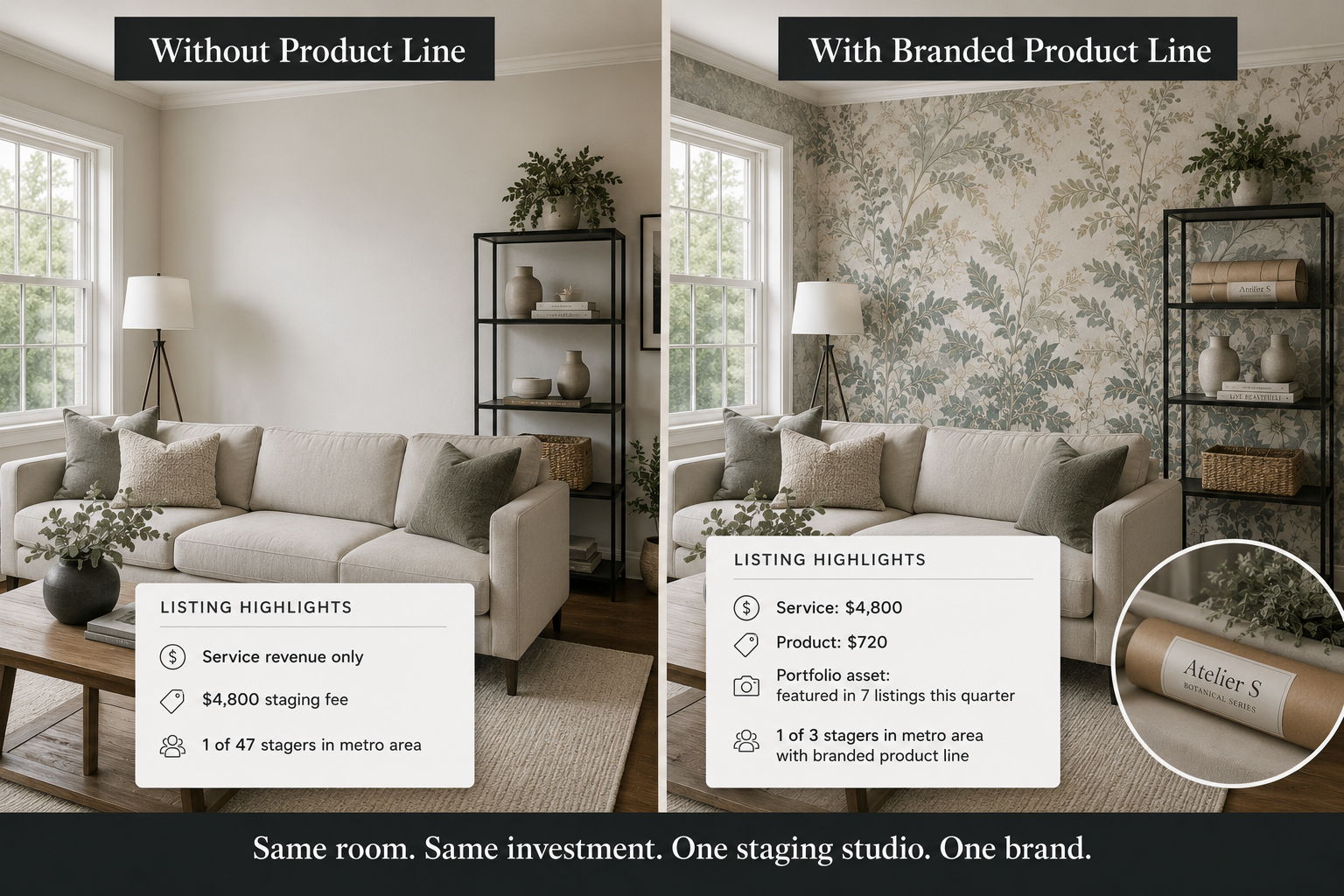
Most home stagers eventually arrive at the same realization: the wallpaper they're specifying for client properties — month after month, listing after listing — could be carrying their studio's name. Not the manufacturer's. Not a third-party catalog brand. Their own. And the moment that thought lands, the staging business shifts from project-by-project services revenue into something fundamentally larger: a brand with a product line that generates revenue between listings, not just during them.
This is what contract manufacturing makes possible — and what most stagers don't realize is genuinely accessible in 2026. This guide is for stagers, staging studio founders, STR property managers, and real estate design teams who have outgrown buying off-the-shelf product and want a manufacturer relationship that produces wallpaper under their own brand. We'll cover the five contract supplier types operating in this market, the stager-specific vetting framework that separates capable partners from disappointing ones, and the concrete operational path from your first private-label sample to a full studio product line that competes on aesthetic and reliability — not just price.
Part 1 · Why Stagers Build Their Own Product Lines
What's Driving Home Stagers to Move From Service Revenue to Product Revenue in 2026?
Staging has always been a high-skill, high-margin service business — but it's also been a per-project income model. Every dollar earned requires another active project. Wallpaper has emerged as the most accessible path for stagers to build a parallel revenue stream that compounds without proportional time investment.
$5–15% price premium on professionally staged listings NAR 2025 Profile of Home Staging
73% faster average time-on-market for staged vs. unstaged homes NAR 2025
3.4× year-over-year wholesale peel and stick growth 2024–2026 industry reporting
0 MOQ → 50 rolls accessible contract manufacturing threshold 2026 B2B benchmark
The shift is documented in the broader staging industry. According to the Real Estate Staging Association (RESA) — the international trade organization for professional stagers — the most consistent indicator of staging studio growth is product-line revenue diversification. Studios that build proprietary product offerings (curated furniture lines, branded accessories, signature wallpapers) consistently report stronger margins and more predictable cash flow than studios operating purely on service fees. The math is straightforward: each property staged with your branded wallpaper builds your portfolio while generating product margin. The wallpaper roll becomes a marketing asset, a revenue asset, and a brand asset simultaneously.
The Three Forces Making 2026 the Right Year
• Contract manufacturing has matured. The 500+ roll MOQs that historically excluded stagers from private label production have dropped to 0 MOQ at sample stage with volume pricing at 50–200 rolls — making the launch capital requirement accessible.
• Listing photo conversion is photo-driven. 95%+ of buyers book based on listing photos. A staging studio's signature wallpaper on the feature wall photographs as a distinctive brand element rather than a generic accent — supporting both the listing and the studio's organic discovery.
• Customer behavior favors brand stories. Sellers increasingly hire stagers based on portfolio aesthetic, not generic competence. A signature product line is the most differentiated portfolio asset a staging studio can build.

Part 2 · The 5 Contract Supplier Types Operating in 2026
Which Type of Contract Manufacturer Actually Fits a Staging Studio's Operations?
The removable wallpaper contract manufacturing market in 2026 operates through five distinct supplier types. Understanding which is which before you contact a single one is the difference between productive supplier conversations and three months of sample disappointment.
|
Supplier Type |
MOQ |
Stager Fit |
IP Protection |
Best For |
|
① Full-Service B2B mfr |
0 → 50 ✅ |
Designed for it ✅ |
Written ✅ |
Studio launch |
|
② White-label POD |
1 roll |
Slow shipping |
Shared designs |
Test-only stage |
|
③ Blank media supplier |
Roll-stock |
Need own printer |
You own files |
DIY printers |
|
④ Traditional plant |
500–2,000 |
Volume mismatch |
Limited |
National chains |
|
⑤ Overseas commodity |
300–500+ |
QC + IP risks |
Vague terms |
Mass-market |
01 Full-Service B2B Manufacturer
The stager-aligned model. 0 MOQ ramp, written IP, content delivered.
Full-service B2B manufacturers with mature stager-program infrastructure operate the most operationally-aligned model for staging studio brand-building. They control design (in-house design teams), production (G7-calibrated color management), quality (ΔE ≤ 2.0 batch tolerance), and content delivery (styled photography included) from a single integrated system. The result: a contract manufacturing relationship that handles the operational complexity so the stager can focus on portfolio building.
The defining capabilities for staging studios: 0 MOQ at sample stage with volume pricing at 50–200 rolls (low capital threshold for launch), 48-hour physical sample shipping (matches listing photo schedules), batch consistency across multi-property orders (your color sage on all 8 staged properties looks identical), private label packaging from the first order (your studio name visible to selling agents and buyers immediately), and content package delivery (styled installation photography, room renders, install documentation — supporting your portfolio without separate photography investment).
• Best for: Staging studios launching a branded product line for the first time
• Lead times: 48-hour samples, 15-day production, 100% documented on-time delivery
• MOQ profile: 0 at sample stage, volume pricing at 50–200 rolls
This is the JIFFDIFF position. Nearly 20 years of U.S. market experience, 12-person in-house design team launching 100+ new SKUs monthly, fabric-backed vinyl substrate as default, G7-calibrated ΔE ≤ 2.0 written color tolerance, OEM with design IP protection, content delivery alongside every B2B order — all configured around the specific operational realities of staging studio brand-building.
02 White-Label Print-on-Demand
Fast to launch. Limited differentiation. Test-only territory.
White-label POD suppliers operate single-roll print-on-demand fulfillment with branded packaging as an add-on service. The model has appeal for stagers wanting fast launch with minimal capital — but the structural limitations matter for sustained brand building.
The constraints: same generic designs appear under multiple POD brands simultaneously, shipping speed is typically 5–10 days (often too slow for listing photo schedules), substrate quality varies (most POD operations use thin consumer-grade media that fails after 1–2 staging cycles), and content delivery is typically not included. The model works for stagers wanting to test the branded-product concept before committing to higher-investment contract manufacturing — not for studios committed to building a competitive product line.
• Best for: Stagers testing the branded-product concept at minimum risk before scaling
• Watch out for: Same designs offered by multiple competing brands simultaneously; shipping speeds that miss listing schedules
03 Blank Media Supplier
Print-it-yourself model. You bring the printer; they supply the substrate.
Blank media suppliers operate a different model entirely: they sell uncoated/unprinted peel-and-stick wallpaper substrate rolls and let you bring your own printing operation. The advantage is complete creative and operational control. The disadvantage is the printing operation itself — which is a significant capital investment.
This model fits stagers with existing wide-format printing infrastructure or design studios planning to invest in dedicated wallpaper production. For most stagers, the printer investment (industrial wide-format machines run $15,000–$80,000+) and the operational complexity of managing color, registration, and substrate behavior are out of scope. Useful to know exists; rarely the right fit for a staging studio building a first product line.
• Best for: Design businesses with existing wide-format printing operations
04 Traditional Wallpaper Plant
Volume-optimized. Configured for chains, not staging studios.
Traditional wallpaper plants — the legacy infrastructure that produced wallpaper for hospitality and large-chain residential applications for decades — operate at volumes that mismatch staging studio operations. MOQs run 500–2,000+ rolls per design. Sample timelines are 2–4 weeks. Custom design capability is limited unless the order is large enough to justify dedicated production runs.
For a staging studio handling 12–40 properties per year, this supplier type is operationally over-scaled. The lead times don't fit modern staging schedules. The MOQs require capital commitments that exceed reasonable risk thresholds for a first product line launch.
• Best for: National staging chains with 50+ active properties and volume to justify the MOQ
05 Overseas Commodity Manufacturer
Lowest unit cost. Hidden quality, IP, and operational risks.
Direct-overseas commodity manufacturers (typically sourced through Alibaba and similar platforms) offer the lowest unit costs in the category — but with operational complexity that staging studios are rarely positioned to manage. MOQs run 300–500+ rolls per design. Sample timelines stretch to 3–6 weeks. Color batch consistency is unmanaged unless explicitly specified and documented. IP protection terms are often vague or absent — meaning your custom designs may appear under other brands the following quarter.
Hidden cost for stagers: a multi-property order from a commodity manufacturer arriving with visible color variance between rolls becomes an installation problem on the active property and a reputation problem with the selling agent. The unit price savings disappear immediately. The actual cost — in lost listings, frustrated agents, and remediation work — is typically 2–4× the per-unit price difference.

Part 3 · The Stager-Specific Vetting Framework
What Should a Staging Studio Confirm With a Contract Manufacturer Before Signing?
General supplier vetting frameworks apply broadly. Stagers have additional operational realities that demand specific confirmations — multi-property batch consistency, removal between listings without paint damage, branded packaging at low volume, and content delivery for portfolio building. Here is the stager-specific framework.
|
Stager-Specific Check |
Why It Matters for Staging |
Walk-Away Answer |
|
48-hour physical sample |
Listing photo schedules don't wait |
5+ business days |
|
0 MOQ at sample stage |
Validate before capital commitment |
100+ roll first order |
|
Multi-property batch lock (ΔE ≤ 2.0) |
Same color across 8 listings — not 'close enough' |
'We'll try to match' |
|
Fabric-backed vinyl 0.25mm+ |
Survives 50 guest cycles + removal between listings |
Thin paper — fails by listing 3 |
|
Removable without paint damage |
Refresh between listings without drywall repair |
No removal protocol documented |
|
Branded packaging at low volume |
Your studio name visible to selling agent + buyer |
Generic packaging only / no option |
|
Content package (photography) |
Your listings need lifestyle shots, not white-bg |
Charged $500–2,000 separately |
|
Design IP protection |
Your custom patterns can't appear under other names |
No clause / verbal only |
|
Multi-shipment / phased delivery |
Portfolio rollout staged over weeks |
Single ship-out only |
The Three Stager-Critical Confirmations
• "Can you confirm single-batch production for orders spanning multiple staged properties?" This is the question that separates contract manufacturers configured for staging from those configured for single-buyer residential sale. Multi-property staging requires color consistency across all properties — Property #3 cannot look noticeably different from Property #1. A documented ΔE ≤ 2.0 tolerance with batch numbers logged on every carton is the protection that makes multi-property rollouts viable.
• "What does removal look like at 6 months, 12 months, and post-staging refresh?" Staging properties get refreshed between listings. A wallpaper that removes cleanly today but leaves residue or lifts paint at 8 months is a future repair invoice. A manufacturer with a documented removal protocol — angle, technique, expected behavior — is one that has tested the product through real staging conditions.
• "Is content (installation photography, room renders) included with B2B orders or charged separately?" A staging studio building a brand needs lifestyle content for portfolio presentation, social marketing, and client onboarding. Content production runs $500–$2,000 per SKU when funded independently. A contract manufacturer who includes content delivery alongside the product is reducing your effective brand-launch cost by thousands.
Part 4 · The JIFFDIFF Stager Program — Specifically
What Does JIFFDIFF Deliver for Staging Studios Building Their Own Product Lines?
JIFFDIFF's B2B stager program was built around the operational realities of staging studios launching branded product lines — not adapted from generic wholesale infrastructure to fit stager needs after the fact. The specific capabilities that matter for staging studio brand-building:
Launch Stage Capabilities
• 0 MOQ at sample stage. Validate any design at single-roll cost before committing to volume production — eliminates the inventory risk of bulk commitment before sell-through evidence
• 48-hour physical sample shipping. Production-scale samples shipped directly to staged properties or your studio — supports listing photo schedule integration
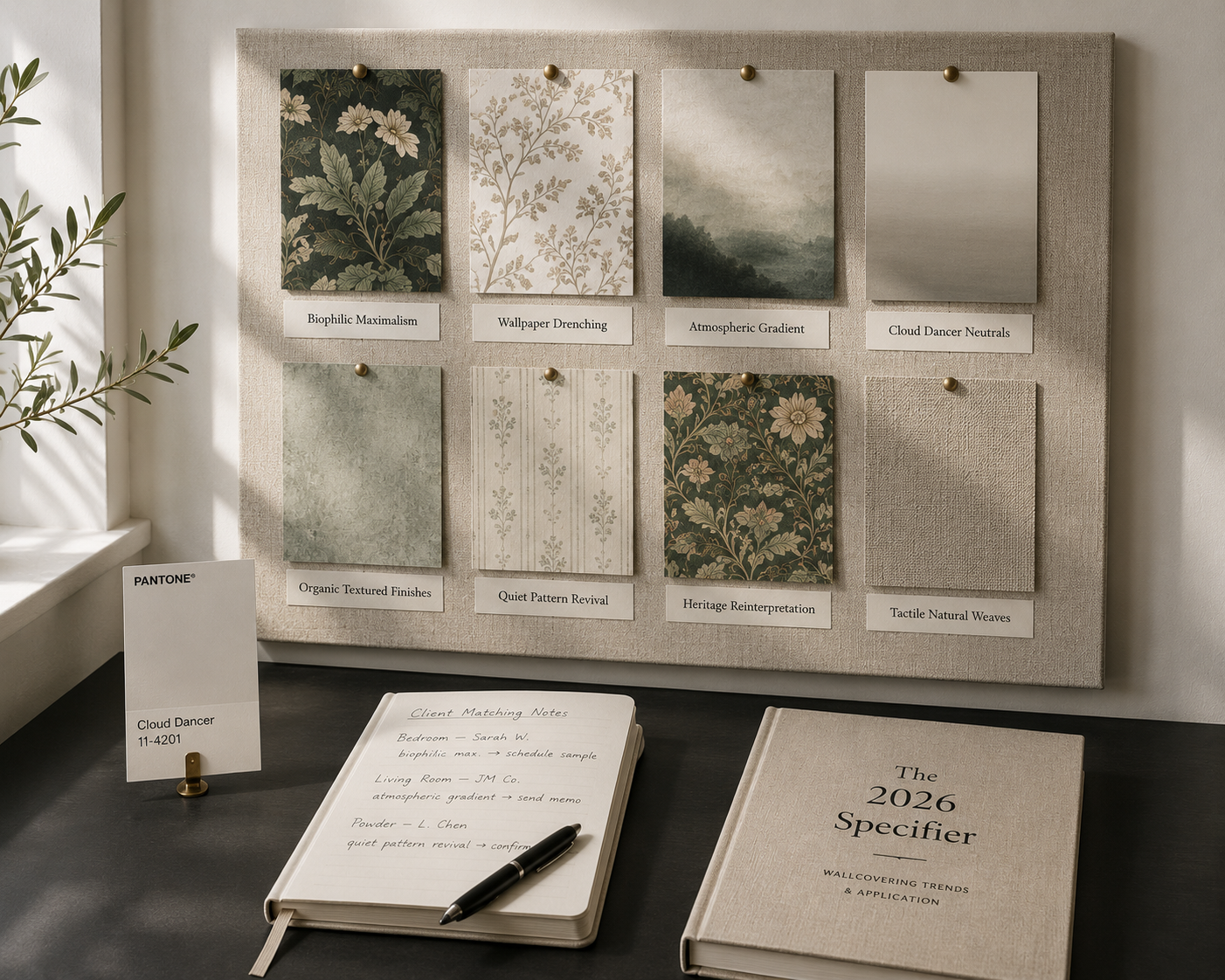
• 100+ new SKUs monthly across all major staging-relevant trends. Biophilic, heritage, atmospheric gradient, tactile texture, painterly — continuously refreshed catalog calibrated to U.S. staging market sell-through
Multi-Property Operational Capabilities
• ΔE ≤ 2.0 written color tolerance. G7-calibrated production with documented batch numbers ensures all 8 of your staged properties look identical, not 'close enough'
• Single-batch production lock. All rolls for a multi-property staging order produced from one batch with documented traceability — eliminates the visible color shift between properties
• Multi-shipment phased delivery. Portfolio rollouts staged over weeks or months from one confirmed order — supports the listing cadence reality
• Fabric-backed vinyl substrate as default. 0.25mm+ substrate handles 50+ guest cycles and clean removal between listings — performance that protects your studio reputation
Brand-Building Capabilities
• Private label packaging from the first B2B order. Your studio name and branding on tubes and labels — visible to selling agents and buyers at the moment they encounter your work
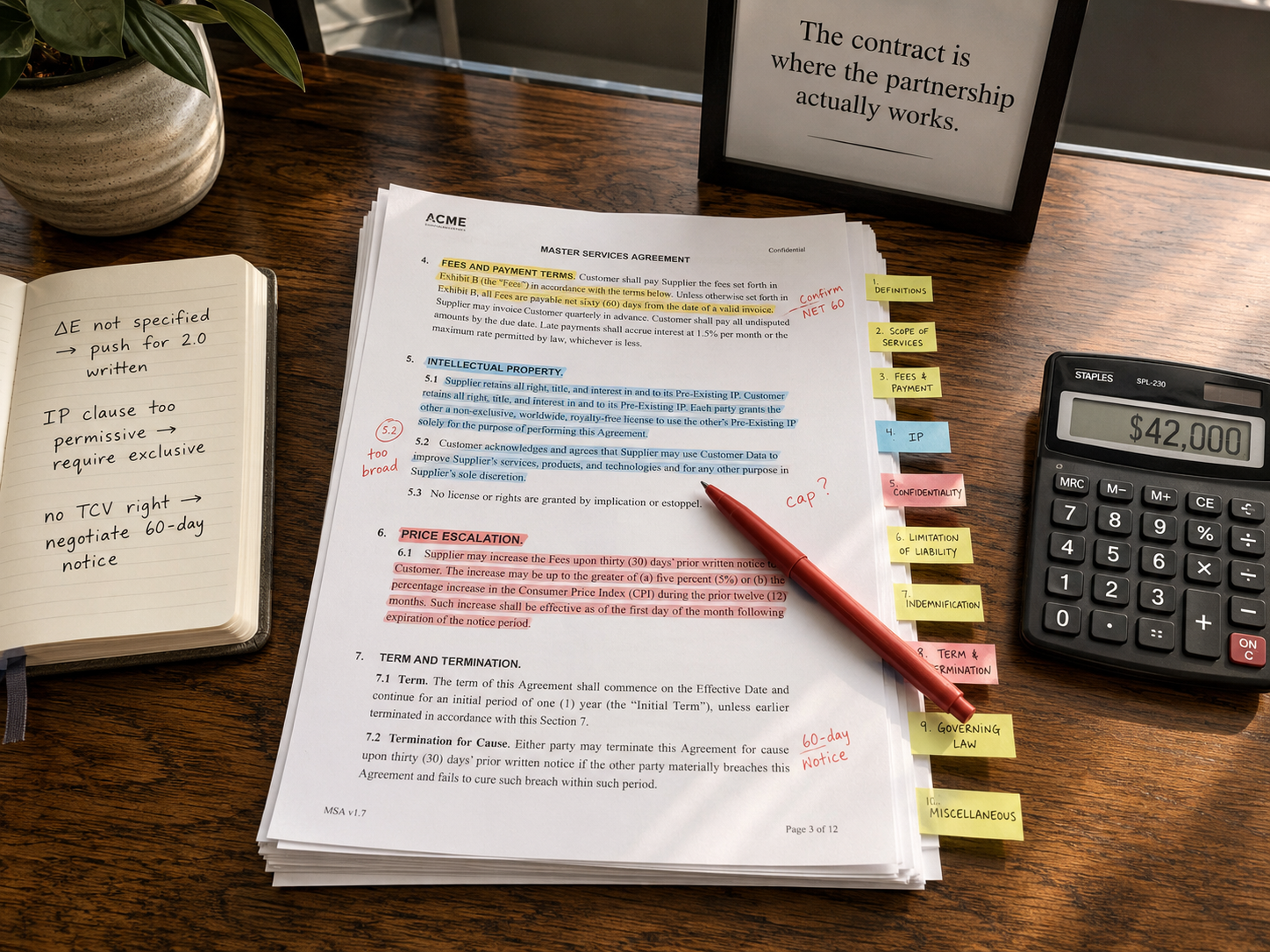
• OEM custom design with written IP protection. Your signature patterns remain exclusively yours — JIFFDIFF cannot reproduce, license, or resell custom designs to any other buyer
• Content package delivered with B2B orders. Styled installation photography, room renders, and install documentation included — saves $500–$2,000 per SKU in separate photography investment, supports your portfolio immediately
• Multi-channel trend validation. JIFFDIFF SKUs active on Amazon (Prime delivery) and TikTok Shop (trending content) provide real consumer demand data before you commit to studio-volume orders
At JIFFDIFF, we believe a wallpaper does more than cover a wall — it quietly renews the atmosphere of a space. For staging studios building their own product lines, that conviction translates into a specific operational position: a manufacturing partner that supports brand-building from your first sample, not just from your hundredth roll. We started with the belief that beautiful spaces shouldn't be expensive, complicated, or out of reach. For staging studios, that means contract manufacturing accessible at the volume level studios actually launch at — with the operational discipline that protects the studio's name visible on every roll. From one peel-and-stick decision, an entire space begins to feel different. From one contract manufacturing relationship, an entire staging business can build forward.
Part 5 · FAQs — Specific Answers That Stop the Search
Frequently Asked Questions: Removable Wallpaper Contract Manufacturers for Staging Studios
Drawn from Reddit (r/HomeStaging, r/realestate, r/designbusiness, r/smallbusiness, r/Entrepreneur) and Google's highest-volume queries on staging studio private label and contract manufacturing.
Q: How can a home stager start their own removable wallpaper product line?
Through a full-service B2B contract manufacturer offering 0 MOQ at sample stage, 48-hour physical samples, private label packaging from first order, and written IP protection — JIFFDIFF's stager program supports launch at single-roll validation cost before scaling to studio-volume orders, eliminating the capital threshold that historically excluded stagers from private label production.
Q: What's the lowest MOQ for private label removable wallpaper for a staging studio?
Professional B2B contract manufacturers offer 0 MOQ at sample stage for validation, with volume pricing typically unlocking at 50–200 rolls per SKU — manufacturers requiring 500+ rolls before sampling are configured for national chains rather than independent staging studios.
Q: How do I ensure color consistency across multiple staged properties?
Require single-batch production for the full multi-property order with written ΔE ≤ 2.0 color tolerance specification and batch numbers documented on every carton — JIFFDIFF's batch-lock protocol guarantees consistency across all properties in a portfolio order, eliminating the visible color shift between staged listings.
Q: Will custom branded wallpaper damage walls when I remove it between listings?
Quality fabric-backed peel and stick wallpaper with commercial acrylic PSA adhesive removes cleanly from cured painted drywall (30+ days post-paint) at 12–24 months without lifting paint or leaving residue — confirm the manufacturer documents a removal protocol and uses 0.25mm+ fabric-backed substrate; thin paper-backed products typically fail at corners by the third staging cycle.
Q: What's the difference between white-label, ODM, and OEM for contract wallpaper manufacturing?
White-label means generic product with your label added (fastest, lowest differentiation); ODM means selecting from the manufacturer's catalog with customization and your branding (faster launch, broader catalog); OEM means producing fully custom designs from your original artwork with written IP protection (strongest differentiation, requires design assets).
Q: How quickly can I get samples and production from a contract wallpaper manufacturer?
Professional B2B benchmark is 48-hour physical sample shipping from approved specification and 15 business days from confirmed production order to ship-ready — JIFFDIFF documents 100% on-time delivery against these timelines; suppliers quoting 30+ days for either stage are not configured for staging studio brand-building schedules.
Q: Can I get installation photography and content included with my branded wallpaper order?
Full-service B2B contract manufacturers like JIFFDIFF include styled product photography, room renders, and installation documentation as part of the studio program delivery — funding this separately runs $500–$2,000 per SKU, so content-included partners reduce effective launch cost significantly for staging studios building portfolios.
Q: How much revenue can a staging studio generate from a branded wallpaper product line?
Revenue depends on volume and channel — branded product margins typically run 30–55% net for wallpaper sold through staging studio portfolios, supplemented by direct DTC channels if the studio builds e-commerce; the strategic value beyond direct revenue is portfolio differentiation, agent referral velocity, and the brand-building effect of having signature designs on every staged listing.

Leave a comment
This site is protected by hCaptcha and the hCaptcha Privacy Policy and Terms of Service apply.