Die besten Tapetenmuster, um unebene Wände zu kaschieren (Was wirklich funktioniert)
Wenn Ihre Wand leicht „wellig“ aussieht, alte Farbflecken aufweist oder bei bestimmtem Lichteinfall winzige Unebenheiten zeigt – dann sind Sie nicht allein. Die gute Nachricht: Sie brauchen nicht immer einen kompletten Glattstrich, um ein schönes Ergebnis zu erzielen.
Hier ist die Wahrheit, die die meisten auf die harte Tour lernen:
Die Tapetenmuster, die am „saubersten“ aussehen (Einfarbig, Hochglanz, kräftige Streifen), lassen unebene Wände oft noch schlechter aussehen.
Was Unebenheiten tatsächlich kaschiert, ist eine Kombination aus weniger Blendung + visueller Textur + fehlerverzeihender Musterrichtung.
Im Folgenden finden Sie die Muster, die wirklich funktionieren, die, die nach hinten losgehen, und einen schnellen Test, den Sie mit einem Muster machen können, bevor Sie sich festlegen.
Die 10-Sekunden-Regel (wenden Sie diese an, bevor Sie sich in ein Muster verlieben)
Um unebene Wände zu kaschieren, sollten Sie eine Tapete wählen, die drei Dinge leistet:
-
Geringer Glanz
Glänzende Oberflächen fangen Licht ein und erzeugen Kontrast – Kontrast lässt Unebenheiten und Kanten von Ausbesserungen hervorstechen. -
Erzeugt „visuelles Rauschen“ (im positiven Sinne)
Mehr Details und sanftere Übergänge unterbrechen Schatten, so dass Ihr Auge das Design wahrnimmt – nicht die Wand. -
Vermeidet Lineal-Effekt
Harte, gerade Linien, Gitter und starke Streifen betonen alles, was nicht perfekt gerade ist.
Wenn eine Tapete matt/wenig glänzend, detailliert oder strukturiert und nicht übermäßig gerichtet ist, ist sie meist eine sichere Wahl.
Warum Unebene Wände Durchscheinen (Eine 30-Sekunden-Erklärung)
Die meisten Wandunregelmäßigkeiten werden durch streifendes Licht sichtbar – Licht, das seitlich auf die Wand trifft (Fenster, Deckenleuchten, Wandlampen). Dieses Seitenlicht erzeugt Schatten entlang von Unebenheiten und Kanten von Ausbesserungen.
-
Glanz + Seitenlicht = hellere Highlights und dunklere Schatten → Mängel erscheinen schärfer
-
Große, einfarbige Flächen = nichts, was das Auge ablenkt → Sie bemerken jede Welle
-
Geometrische Linien = sofortige Referenzpunkte → alles „Schiefe“ wirkt noch schiefer
Ihr Ziel ist einfach: Blendung reduzieren und Kontrast verringern.
7 Tapetenmuster, die unebene Wände tatsächlich kaschieren
Dies sind die fehlerverzeihendsten Optionen, wenn Ihre Wand nicht perfekt glatt ist.
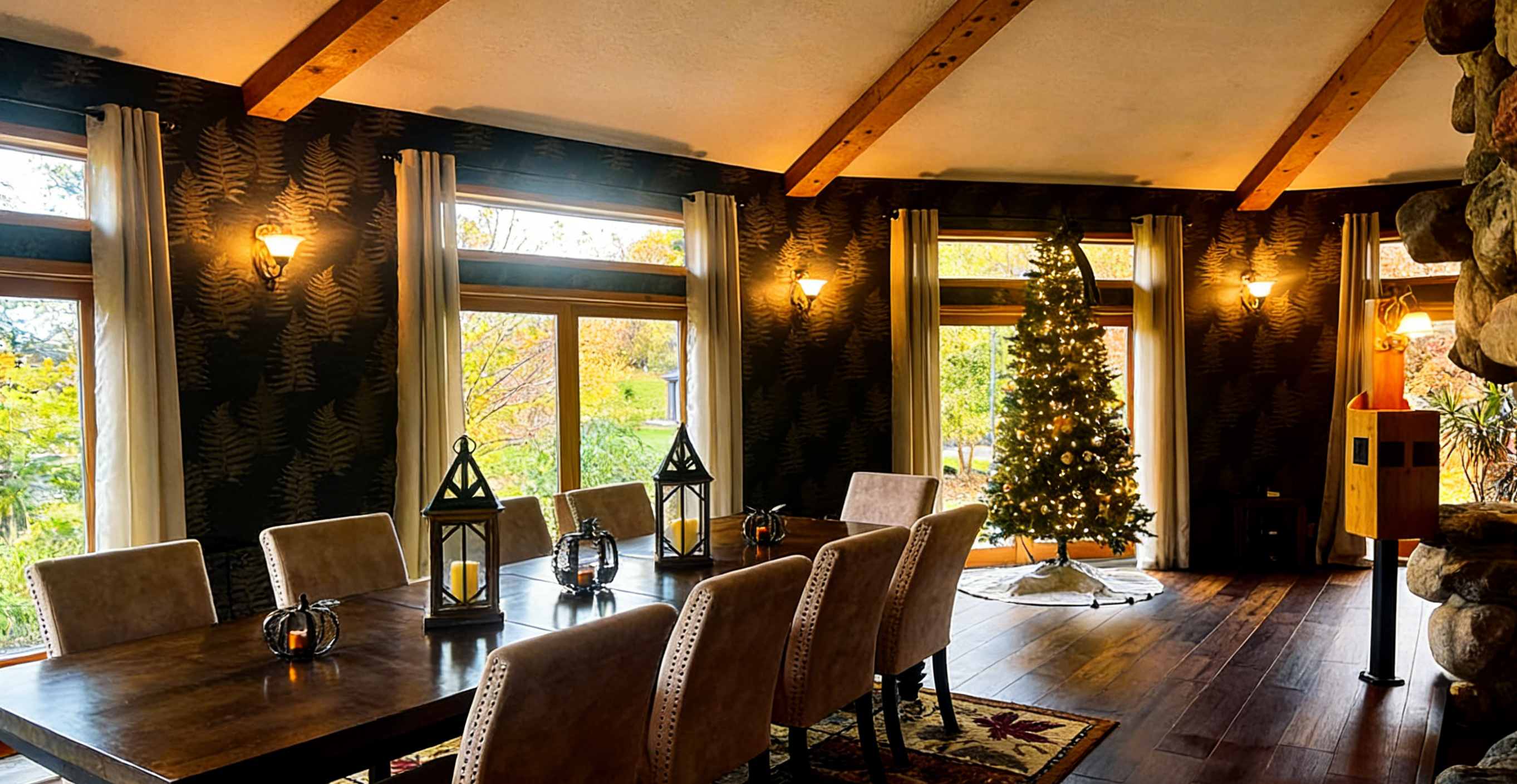
1) Organische Botanicals (Blätter, Äste, florale Muster mit natürlichem Fluss)
Warum es funktioniert: Weiche Kanten und unregelmäßige Formen zerstreuen die Aufmerksamkeit.
Am besten für: Leichte Unebenheiten, leichte Welligkeit, geringe Oberflächenstruktur.
2) Abstrakte Aquarell-/Tuschewasch-Stile
Warum es funktioniert: Farbverläufe und sanfte Übergänge kaschieren Flickgrenzen und ungleichmäßige Farbbereiche.
Am besten für: Alte Farbflecken, Abziehspuren, Unterschiede in der Rollenstruktur.
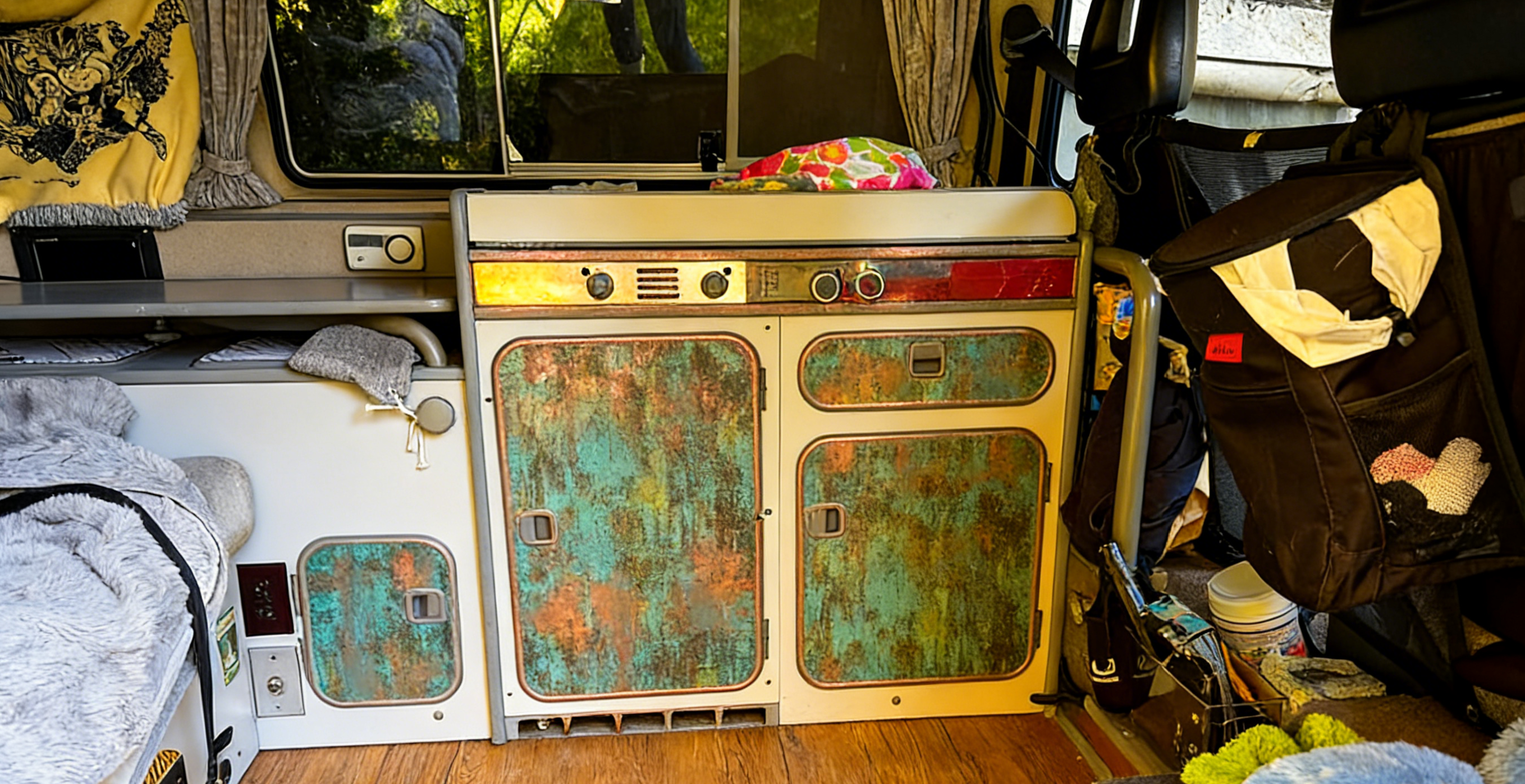
3) Gesprenkelte / Stein- / Putz- / Betonoptik-Muster
Warum es funktioniert: Das Design ist bewusst vielfältig – so wirkt Ihre Wandvariation nicht wie ein „Fehler“.
Am besten für: Flickbereiche, unvollkommene Trockenbau-Verarbeitung, „nicht ganz ebene“ Wände.
4) Kleine bis mittlere Ditsy-Prints (dicht, sich wiederholend, nicht zu kräftig)
Warum es funktioniert: Wiederholung in kleinerem Maßstab kaschiert Mikromängel, ohne die Ausrichtung zu betonen.
Am besten für: Leichte Unebenheiten, kleine Dellen, subtile Orangenhaut-Textur.
5) Leinen- / Gewebe- / Textur-Optik-Muster
Warum es funktioniert: Textur (sogar visuelle Textur) reduziert das Erscheinungsbild von Schattenkanten.
Am besten für: Allgemeine Unebenheiten, leichte Unebenheiten, Wände, die unter Seitenbeleuchtung „unruhig“ wirken.
6) Ornamentale Motive (Damast, Vintage-inspiriert, detaillierte Designs)
Warum es funktioniert: Die Komplexität bietet dem Auge viel zu entdecken – so hört es auf, nach Wandfehlern zu suchen.
Am besten für: Leichte Wellen, ungleichmäßige Ecken, ältere Wände mit unvollkommener Ebenheit.
7) Ton-in-Ton-Muster (Gleiche Farbfamilie, subtiler Kontrast)
Warum es funktioniert: Sie erhalten Musterdetails ohne harten Kontrast.
Am besten für: „Ich möchte es ruhig und modern, aber meine Wand ist nicht perfekt.“
Kurze Abkürzung:
Wenn Sie maximale Tarnung wünschen, wählen Sie matt + mittel/hoch detailliert + weichere Kanten.
Muster, die man vermeiden sollte (sie heben jede Unebenheit hervor)
Wenn Ihre Wand uneben ist, können diese auf perfekt glatten Wänden fantastisch aussehen – aber auf Wänden im echten Leben riskant sein:
-
Hochglanz, metallischer Glanz oder reflektierende Oberflächen
-
Kräftige Streifen (besonders vertikale/horizontale mit starkem Kontrast)
-
Gitter, Zickzackmuster, scharfe Geometrien
-
Große Flächen in Unifarbe mit minimaler Textur
-
Ultra-Kontrastmuster (Schwarz/Weiß mit harten Kanten)
Nicht, weil sie „schlecht“ sind – sondern weil sie ehrlich sind. Sie machen die Wand zum Star (auch wenn man es nicht will).
Passen Sie das Muster an Ihr spezifisches Problem an (Schnellauswahl)
Verwenden Sie dies, wenn Sie bereits wissen, was mit Ihrer Wand nicht stimmt:
A) Alte Farbflecken / Ausbesserungsstellen / Abzieher-Spuren
Wählen Sie: Aquarell, gesprenkelten Putz, Ton-in-Ton
Vermeiden Sie: Unifarben, Hochglanz
B) Leichte Unebenheiten / ungleichmäßige Rollenstruktur / Orangenhaut-Look
Wählen Sie: Leinen-/Gewebe-Struktur, Botanicals, detaillierte Motive
Vermeiden Sie: Klare Geometrien, Gitter
C) Leicht schräge Ecken oder „wellige“ Linien
Wählen Sie: nicht-direktionale Muster (organisch, abstrakt)
Vermeiden Sie: Streifen, Chevron-Muster, starke gerade Linien
D) Haarrisse (stabil, keine aktive Bewegung)
Wählen Sie: Struktur-Optik + mittlere Detailtiefe
Vermeiden Sie: Minimalistische Muster, die viel leeren Raum lassen
Wenn Ihre Wand losen Trockenbau-Karton, abblätternde Farbe oder kreidigen Staub aufweist, kümmern Sie sich zuerst darum – kein Tapetenmuster kann eine Oberfläche „verstecken“, die nicht stabil ist.
Der 2-Minuten-Muster-Test, der Reue verhindert
Bevor Sie sich festlegen, machen Sie dies einmal (es spart die meisten Rücksendungen):
-
Legen Sie ein Muster an die Stelle der Wand, an der das Problem am schlimmsten aussieht (nahe einem Fenster oder unter einer Leuchte).
-
Treten Sie 2–2,5 Meter zurück und fragen Sie sich:
Nehme ich zuerst das Muster wahr – oder zuerst die Wand? -
Überprüfen Sie dies bei Tages- und Abendlicht.
Wenn Sie das Design vor den Mängeln bemerken, haben Sie gut gewählt.
Profi-Tipp: Wenn Sie sich zwischen zwei Mustern entscheiden, kaschiert das mit etwas mehr Details meist besser.
FAQ (Schnelle Antworten)
Welche Tapete verdeckt Wandunebenheiten am besten?
Matte oder blendfreie Oberflächen mit mittleren bis hohen Details (organisch, abstrakt, strukturierte Optik) sind meist am fehlerverzeihendsten.
Lassen Streifen unebene Wände schlimmer aussehen?
Oft ja. Streifen wirken wie eine Messlinie – jede Welligkeit oder jede nicht rechtwinklige Ecke wird offensichtlich.
Ist dunkle Tapete schlecht für unebene Wände?
Nicht automatisch. Das größere Problem sind Blendung und Kontrast. Ein dunkleres, mattes Muster kann besser kaschieren als eine helle, glänzende Unifarbe.
Kann Tapete ausgebesserte Trockenbauwände ohne Glattstrich abdecken?
Für leichte bis moderate Ausbesserungen ja – wenn Sie ein fehlerverzeihendes Muster wählen und die Oberfläche stabil ist. Große Unebenheiten oder loses Material sollten zuerst behoben werden.
Was ist die sicherste „kein-Reue“-Musterfamilie?
Abstrakte Aquarelle, gesprenkelte Putz-/Stein-Looks und organische Botanicals sind die einfachsten Gewinne in echten Häusern.
Letztes Fazit (Wenn Sie nur Eines Behalten)
Unebene Wände brauchen keine „perfekte Tapete“. Sie brauchen eine fehlerverzeihende Tapete:
Weniger Glanz + ausreichend Details + nicht zu viele gerade Linien.
Wenn Sie unsicher sind, beginnen Sie mit einem Muster und testen Sie es unter dem Licht, das Ihre Wand normalerweise entlarvt. In wenigen Minuten wissen Sie, ob es die richtige Wahl ist.
Nächster Schritt: Wenn Sie möchten, wählen Sie Ihren Raumtyp (Mietwohnung, Bad, Kinderzimmer, Flur) und suchen Sie Muster aus, die für diese Umgebung geeignet sind – damit Ihr Upgrade beabsichtigt aussieht, nicht wie eine Vertuschung.

Hinterlasse einen Kommentar
Diese Website ist durch hCaptcha geschützt und es gelten die allgemeinen Geschäftsbedingungen und Datenschutzbestimmungen von hCaptcha.