
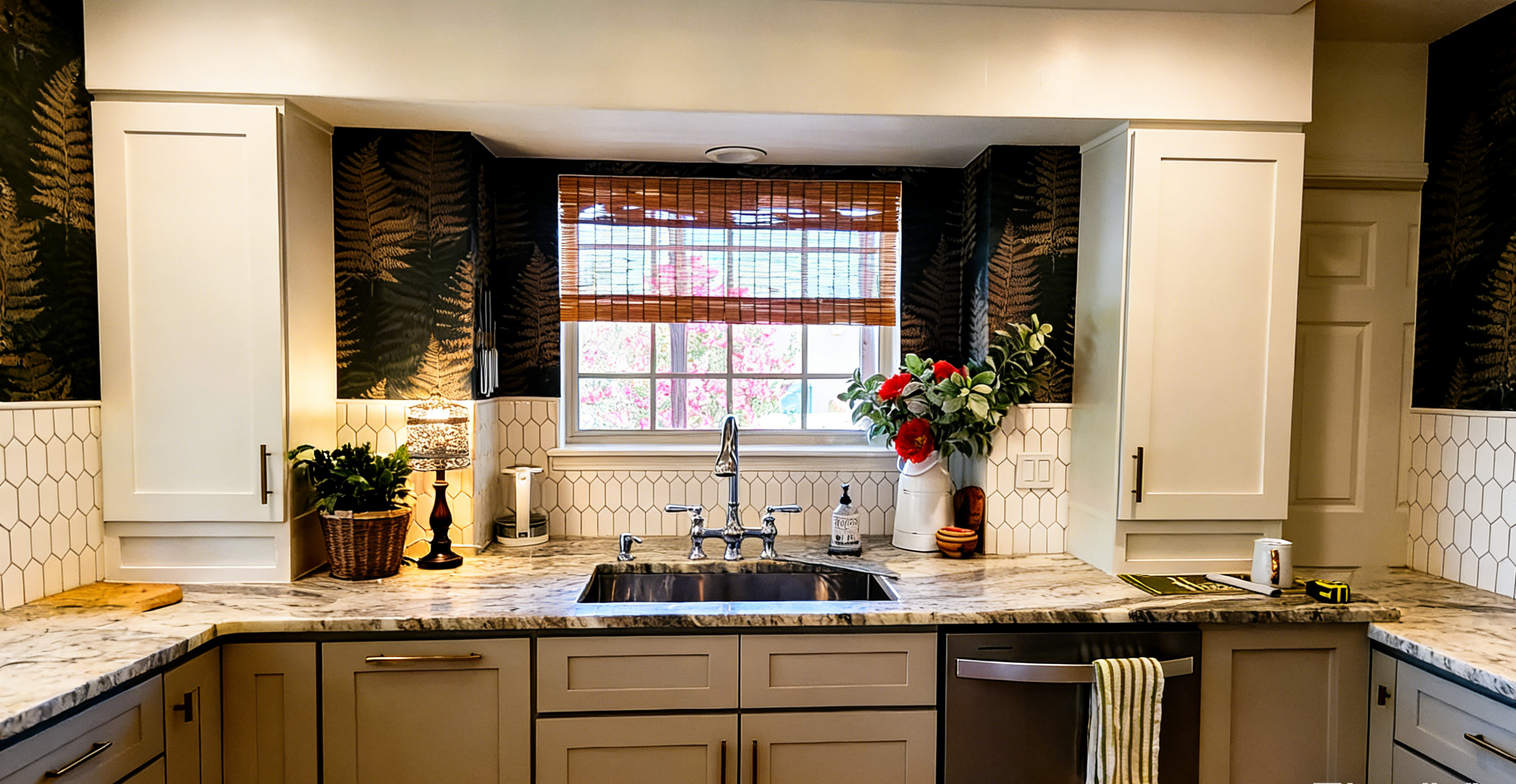
Was tun, wenn Ihre Wand alte Farbflecken hat (keine Spachtelschicht erforderlich)
Alte Farbflecken können eine Wand "blockig" aussehen lassen, stellenweise glänzend oder leicht erhöht – selbst wenn alles trocken ist. Die gute Nachricht: Die meisten Wände brauchen keine vollflächige Spachtelung, um unter Tapeten gut auszusehen.
Kurz gesagt:
Was durch Tapeten sichtbar wird, ist nicht "der Flick". Es ist der Rand des Flickens, der unterschiedliche Glanzgrad des Flickens und die unterschiedliche Saugfähigkeit des Flickens. Beheben Sie diese drei, und Sie sind meistens auf der sicheren Seite.
Warum alte Farbflecken immer noch sichtbar sind (auch wenn sich die Wand "fertig" anfühlt)
Die meisten Probleme mit Flicken sind optischer, nicht struktureller Natur:
-
Flickränder (Erhebungen): Ein erhöhter Rand fängt Seitenlicht ein und erzeugt eine Schattenlinie.
-
Glanzgrad-Fehlpassung: Matt vs. Eierschale vs. Satin kann "aufblitzende" Blöcke erzeugen, die wie Quadrate aussehen.
-
Saugfähigkeits-Fehlpassung: Ausgebesserte Bereiche können poröser sein (oder anders versiegelt), sodass sie Farbe und Klebstoff ungleichmäßig aufnehmen.
Wenn Sie Kante + Glanz + Saugfähigkeit lösen, haben Sie das eigentliche Problem gelöst – ohne die ganze Wand zu spachteln.
Der 60-Sekunden-Wandcheck (finden Sie Ihren Flickentyp)
Nehmen Sie die Taschenlampe Ihres Telefons und leuchten Sie damit von der Seite über die Wand (dies wird als Streiflicht bezeichnet). Klassifizieren Sie dann, was Sie sehen:
-
Sie können eine Erhebung mit der Hand spüren → es ist ein Kantenproblem
-
Sie sehen nur einen andersfarbigen Block → es ist ein Farb-/Fleckenproblem
-
Ein Bereich sieht glänzender aus → es ist ein Glanzproblem
-
Es sieht fleckig oder staubig aus → es ist ein Saugfähigkeits-/Kreideproblem
Die meisten Wände haben eine Mischung. Das ist normal.
Die "Keine Spachtelung"-Lösung: minimale Vorbereitung, die tatsächlich funktioniert
Schritt 1: Oberfläche stabilisieren (5 Minuten)
Ihr Ziel ist eine Wand, die sauber, trocken und fest ist.
-
Lösen Sie alles lose (abblätternde Farbe, abhebende Kanten).
-
Wischen Sie Staub und Schleifrückstände ab.
-
Entfetten Sie stark beanspruchte Bereiche (um Türen, Schalter, Flure).
-
Lassen Sie die Wand vollständig trocknen.
Wenn sich die Wand nach dem Abwischen kreidig/pulvrig anfühlt, reinigen Sie weiter, bis das Tuch größtenteils sauber ist. Klebstoff hasst Staub.
Schritt 2: Nur den Flickrand abflachen (das ist der entscheidende Teil)
Sie streben nicht nach Perfektion. Sie entfernen die "Lippe", die einen Schatten wirft.
-
Schleifen Sie den Flickrand leicht an, um die Kante zu verblenden.
-
Wenn ein Flick wirklich stark hervorsteht (merklich erhaben ist), füllen Sie die Stelle und verblenden Sie erneut.
-
Wischen oder saugen Sie Staub nach dem Schleifen ab.
Faustregel:
Wenn es sich aus 1,8–2,4 Metern Entfernung glatt anfühlt und kein hartes Streiflicht einfängt, ist es gut.
Schritt 3: Versiegeln, um Glanz und Saugfähigkeit zu vereinheitlichen (die Geheimwaffe)
Hier gehen die meisten Heimwerkerjobs schief: Sie schleifen, überstreichen und sehen immer noch ein "Quadrat".
Das Versiegeln (punktuelle Grundierung) bewirkt zwei Dinge:
-
Reduziert ungleichmäßiges Einsaugen
-
Hilft, Glanzgradunterschiede auszugleichen
Bewährte Methode:
-
Versiegeln Sie ausgebesserte Bereiche (und alle geschliffenen Zonen), damit die Wand als eine konsistente Oberfläche wirkt.
-
Wenn Ihre Wand viele Flicken hat, kann eine leichte, gleichmäßige Versiegelung der gesamten Wand einfacher sein als eine punktuelle Behandlung.
Lassen Sie sie vollständig trocknen und aushärten, bevor Sie die Tapete anbringen.
Wenn Sie eine selbstklebende Tapete verwenden, lesen Sie dies zuerst
Selbstklebende Tapeten sind großartig für Heimwerker – aber sie sind weniger verzeihend bei drei Dingen:
-
Staub (selbst unsichtbarer Staub)
-
Kreidefarbe
-
Erhöhte Kanten
Für den Erfolg mit selbstklebenden Tapeten muss die "minimale Vorbereitung" also Folgendes umfassen:
-
Saubere + staubfreie Oberfläche
-
Verblendete Flickränder
-
Versiegelte ausgebesserte/geschliffene Stellen
-
Vollständig ausgehärtete Wandoberfläche
Das ist alles. Für die meisten Haushalte ist keine vollflächige Spachtelung erforderlich.
Die besten Tapeten für ausgebesserte Wände (damit Sie weniger vorbereiten müssen)
Auch bei guter Vorbereitung kann Ihre Tapetenwahl das Ergebnis individuell oder "Ich sehe immer noch den Flick" aussehen lassen.
Wählen Sie Oberflächen und Designs, die Flickränder verdecken
-
Matte / reflexionsarme Oberflächen (weniger Hervorhebung = weniger Flickenkontur)
-
Designs mit Textur-Optik (Leinen, Putz, melierte Effekte)
-
Organische oder abstrakte Muster (brechen Grenzen auf und mildern Übergänge)
Vermeiden Sie diese, wenn Sie Flicken stören
-
Hochglänzende / reflektierende Oberflächen
-
Große, einfarbige Flächen / extrem minimalistische Designs
-
Kräftige Streifen, Gitter, scharfe geometrische Muster (sie wirken wie ein Lineal und offenbaren "nicht perfekte" Wände)
Wenn Sie den einfachsten Erfolg erzielen wollen: matt + dezente Textur + mittleres Detail.
Der 2-Minuten-Test vor dem Engagement (verhindert das meiste Bedauern)
Bevor Sie eine ganze Wand tapezieren, machen Sie dies einmal:
-
Platzieren Sie ein Muster auf Ihrem schlimmsten Flick (dem, den Sie am meisten hassen).
-
Betrachten Sie es bei Tageslicht und noch einmal nachts unter Ihrer normalen Beleuchtung.
-
Treten Sie 1,8–2,4 Meter zurück.
-
Fragen Sie: Bemerke ich zuerst das Design – oder zuerst den Flick?
-
Wenn der Flick immer noch sichtbar ist, wählen Sie weniger Glanz / mehr Textur / mehr Details.
Dieser kleine Test spart Zeit, Rücksendungen und Selbstzweifel.
Wann "keine Spachtelung" NICHT ausreicht (ehrliche Grenzen)
Tapeten können visuelle Inkonsistenzen verdecken. Sie können lose oder versagende Oberflächen nicht reparieren.
Sie benötigen möglicherweise mehr als eine minimale Vorbereitung, wenn:
-
Flickränder deutlich erhaben sind und Sie sie nicht verblenden können
-
Farbe abblättert oder Blasen wirft
-
Die Gipskartonplatte zerrissen und faserig ist
-
Die Wand feucht ist, von Feuchtigkeit verfärbt oder aktiv Risse aufweist
-
Die Oberfläche auch nach der Reinigung kreidig bleibt
In diesen Fällen stabilisieren Sie die Wand zuerst – dann wird die Tapete dramatisch besser aussehen.
FAQ (schnelle Antworten)
Wird Tapete alte Farbflecken verdecken?
Oft ja – besonders wenn Sie Flickränder verblenden, ausgebesserte Bereiche versiegeln und ein verzeihendes Finish/Muster wählen.
Brauche ich wirklich eine Spachtelung vor dem Tapezieren?
Für die meisten Wände nicht. Viele Haushalte benötigen nur eine punktuelle Vorbereitung + Versiegelung, um Kanten-, Glanz- und Saugfähigkeitsunterschiede zu reduzieren.
Warum glänzen meine Flicken nach dem Streichen?
Das ist normalerweise eine Glanzgrad-Fehlpassung ("Aufblitzen"). Das Versiegeln/Grundieren von ausgebesserten Zonen hilft, die Art und Weise zu vereinheitlichen, wie die Oberfläche Licht reflektiert.
Kann selbstklebende Tapete über ausgebesserte Wände angebracht werden?
Ja, wenn die Oberfläche sauber, staubfrei, bei Bedarf versiegelt und die Flickränder glatt verblendet sind.
Was verdeckt Flickränder am besten – Farbe oder Finish?
Finish und Muster sind wichtiger als die Farbe. Matt + Textur + mittleres Detail ist typischerweise am verzeihendsten.
Fazit
Sie brauchen keine vollflächige Spachtelung, damit ausgebesserte Wände schön aussehen.
Verblenden Sie die Kante. Versiegeln Sie den Flick. Wählen Sie ein verzeihendes Finish/Muster.
Machen Sie dann den 2-Minuten-Mustertest an Ihrer schlimmsten Stelle – wenn das Design gewinnt, sind Sie bereit.

Hinterlasse einen Kommentar
Diese Website ist durch hCaptcha geschützt und es gelten die allgemeinen Geschäftsbedingungen und Datenschutzbestimmungen von hCaptcha.