
Comment choisir un motif audacieux sans le regretter (test en 3 questions)
Choisir un papier peint ou un motif audacieux peut instantanément transformer une pièce.
Mais cela crée aussi l'une des plus grandes craintes en décoration :
Et si je le regrette ?
C'est pourquoi de nombreux propriétaires jouent la sécurité avec des murs neutres, même s'ils aiment secrètement les designs audacieux.
Les architectes d'intérieur abordent les motifs audacieux différemment.
Avant de s'engager sur un papier peint dramatique ou un design affirmé, ils passent par un simple test en trois questions.
Si un motif réussit ces trois questions, il fonctionne presque toujours dans la pièce.
La Réponse Rapide : Comment Choisir un Motif Audacieux
Si vous envisagez un papier peint audacieux, posez-vous ces trois questions :
-
Le motif a-t-il de l'espace pour respirer dans la pièce ?
-
Soutient-il le point focal de la pièce ?
-
L'aimeriez-vous toujours dans quelques années ?
Si la réponse est oui aux trois, le motif est généralement un choix sûr et réussi.
Pourquoi les Gens Regrettent le Papier Peint Audacieux
La plupart des regrets ne sont pas causés par les motifs audacieux eux-mêmes.
Ils sont causés par la façon dont le motif interagit avec la pièce.
Les problèmes courants incluent :
-
des motifs en concurrence avec le mobilier
-
des murs visuellement encombrés
-
des designs choisis uniquement parce qu'ils sont à la mode
En d'autres termes, le problème n'est pas l'audace.
C'est le contexte et l'équilibre.
Les designers réduisent les risques en évaluant comment un motif se comportera dans un espace avant de l'installer.
Le Test des 3 Questions du Designer
Avant de choisir un papier peint audacieux, les architectes d'intérieur vérifient mentalement trois choses.
Ce cadre simple prévient la plupart des erreurs de décoration.
Question 1 : Le motif a-t-il de l'espace pour respirer ?
Les motifs audacieux ont besoin de contraste pour paraître intentionnels.
Si tout dans une pièce est visuellement chargé, le design devient écrasant.
Les designers équilibrent le papier peint audacieux avec des éléments calmes comme :
-
des meubles neutres
-
une literie ou un revêtement simples
-
des tapis de couleur unie
-
une décoration murale minimale
Cela crée un espace de respiration visuel.
Lorsqu'un motif audacieux est entouré de surfaces calmes, il semble dramatique, mais pas chaotique.
Question 2 : Le motif soutient-il le point focal de la pièce ?
Chaque pièce a un point focal naturel.
Cela pourrait être :
-
le lit dans une chambre
-
le canapé dans un salon
-
une cheminée
-
une table à manger
Les motifs audacieux fonctionnent mieux lorsqu'ils encadrent ce point focal.
Par exemple :
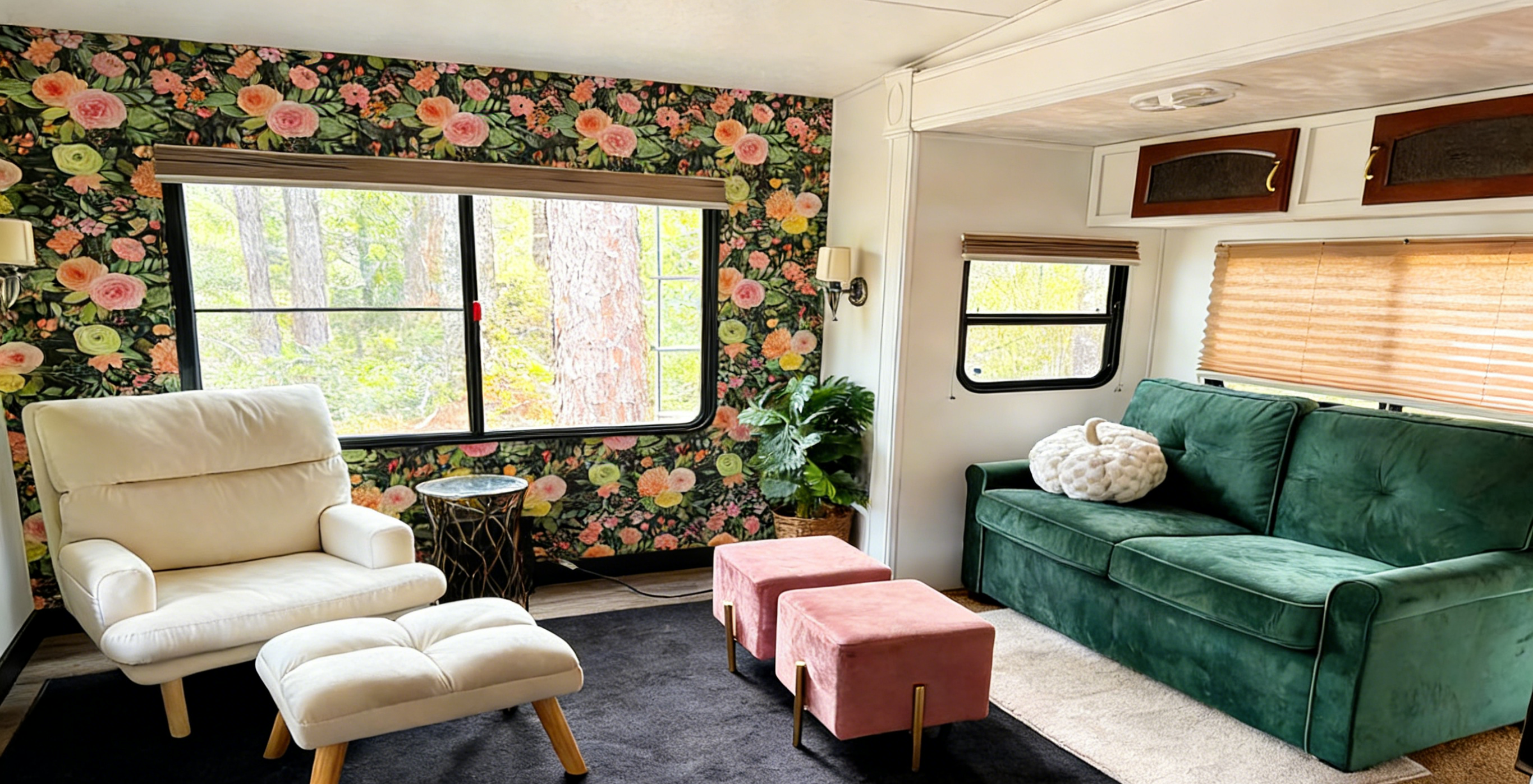
Le papier peint derrière un lit met en valeur le mur de la tête de lit.
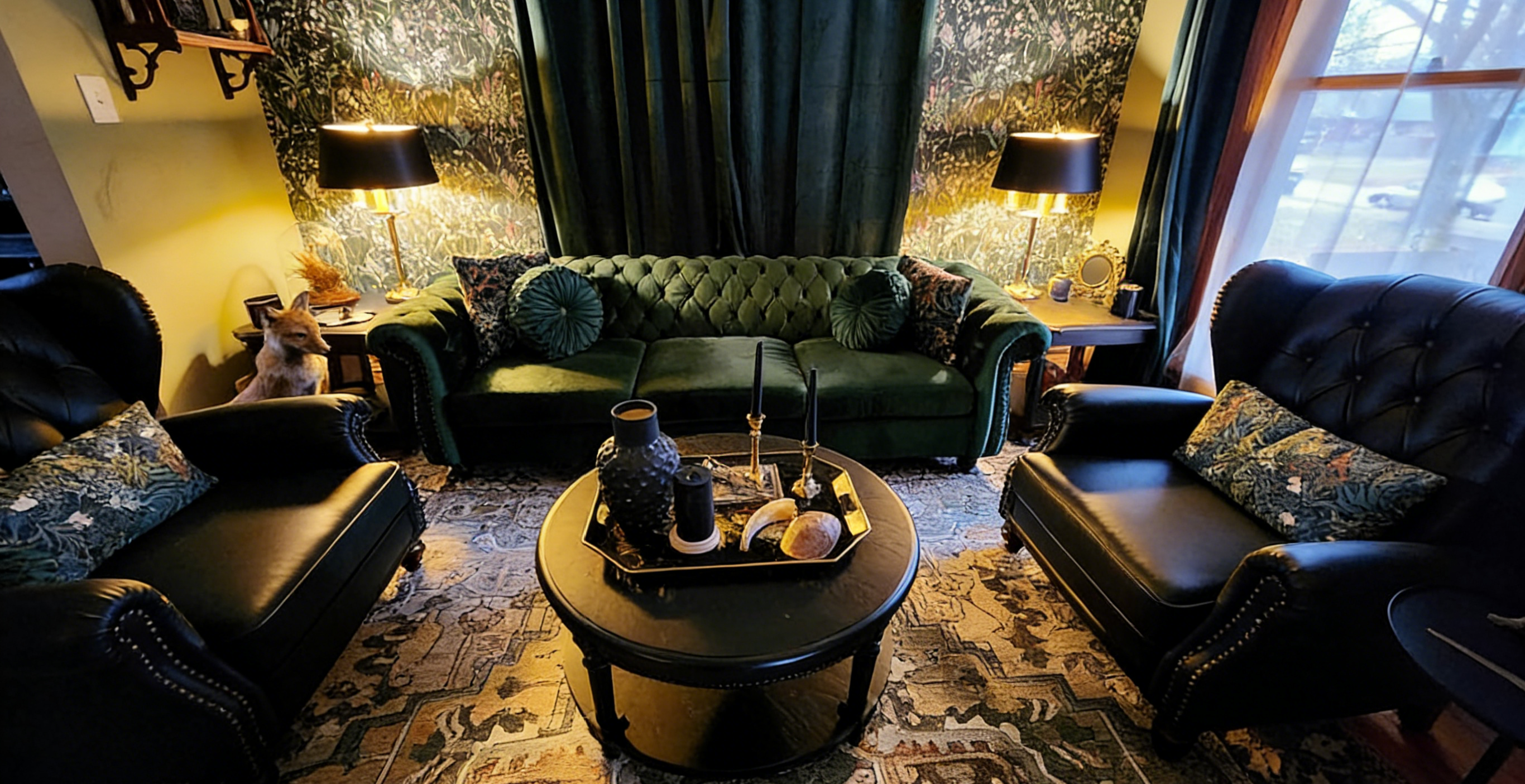
Le papier peint derrière un canapé ancre le coin salon.
Mais placer un motif audacieux sur un mur latéral aléatoire peut rendre la pièce visuellement confuse.
Le motif doit guider le regard, et non rivaliser avec la structure de la pièce.
Question 3 : L'aimerez-vous toujours dans cinq ans ?
Le dernier test est étonnamment simple.
Demandez-vous :
Ce motif me plaira-t-il toujours dans quelques années ?
Les designers recherchent des motifs audacieux qui semblent expressifs mais non temporaires.
Les motifs qui vieillissent bien incluent souvent :
-
les motifs floraux et botaniques
-
les textures organiques
-
les répétitions géométriques classiques
-
les palettes de couleurs équilibrées
Ces motifs semblent audacieux sans être liés à une tendance éphémère.
La Vérité Surprenante sur les Motifs Audacieux
Beaucoup de gens croient que le papier peint audacieux rend les pièces plus petites.
En réalité, les grands motifs peuvent en fait créer une profondeur visuelle.
C'est pourquoi les designers utilisent fréquemment des papiers peints audacieux dans :
-
les toilettes
-
les entrées
-
les coins lecture
-
les petites chambres
Dans les petits espaces, les motifs audacieux semblent souvent plus intentionnels que les murs unis.
Ils créent du caractère sans nécessiter plus de meubles ou de décoration.
Où les Motifs Audacieux Fonctionnent le Mieux
Le papier peint audacieux a tendance à mieux fonctionner lorsqu'il est placé stratégiquement.
Les emplacements courants incluent :
Derrière le lit
Crée un mur d'accent de tête de lit.
Derrière le canapé
Définit le coin salon.
Le mur du fond d'une petite pièce
Ajoute de la profondeur visuelle.
Des niches architecturales ou des placards intégrés
Ajoute des détails sans surcharger la pièce.
L'utilisation de motifs audacieux sur un seul mur d'accent est souvent suffisante pour transformer tout l'espace.
Si Vous N'êtes Toujours Pas Sûr, Commencez par un Mur
Si s'engager dans un papier peint audacieux semble risqué, commencez par un mur d'accent.
Les murs d'accent vous permettent d'introduire des motifs forts tout en maintenant l'équilibre de la pièce.
Cette approche fonctionne particulièrement bien dans :
-
les chambres
-
les salons
-
les bureaux à domicile
-
les toilettes
C'est l'une des façons les plus faciles d'expérimenter le design sans surcharger l'espace.
Dernière Réflexion
Les motifs audacieux ne sont pas le problème.
Le placement aléatoire l'est.
Lorsqu'un motif a de l'espace pour respirer, soutient le point focal de la pièce et reste attrayant des années plus tard, il conduit rarement au regret.
Avant de choisir un papier peint, posez-vous trois questions simples.
Si le motif réussit le test, c'est probablement le bon.
Les Gens Demandent Aussi
Comment savoir si un motif de papier peint est trop audacieux ?
Un motif peut sembler trop audacieux si la pièce contient déjà de nombreuses textures, couleurs ou éléments visuels concurrents. Les designers équilibrent généralement les papiers peints audacieux avec des meubles et une décoration plus simples.
Les motifs de papier peint audacieux sont-ils toujours à la mode ?
Oui. Les motifs audacieux restent populaires car ils ajoutent de la personnalité et de la profondeur à une pièce. De nombreux designers préfèrent désormais les murs d'accent ou les petits espaces pour les motifs dramatiques.
Le papier peint audacieux doit-il couvrir tous les murs ?
Pas toujours. De nombreux designers préfèrent utiliser un papier peint audacieux sur un seul mur d'accent pour créer un impact tout en maintenant l'équilibre de l'espace.


Laisser un commentaire
Ce site est protégé par hCaptcha, et la Politique de confidentialité et les Conditions de service de hCaptcha s’appliquent.