
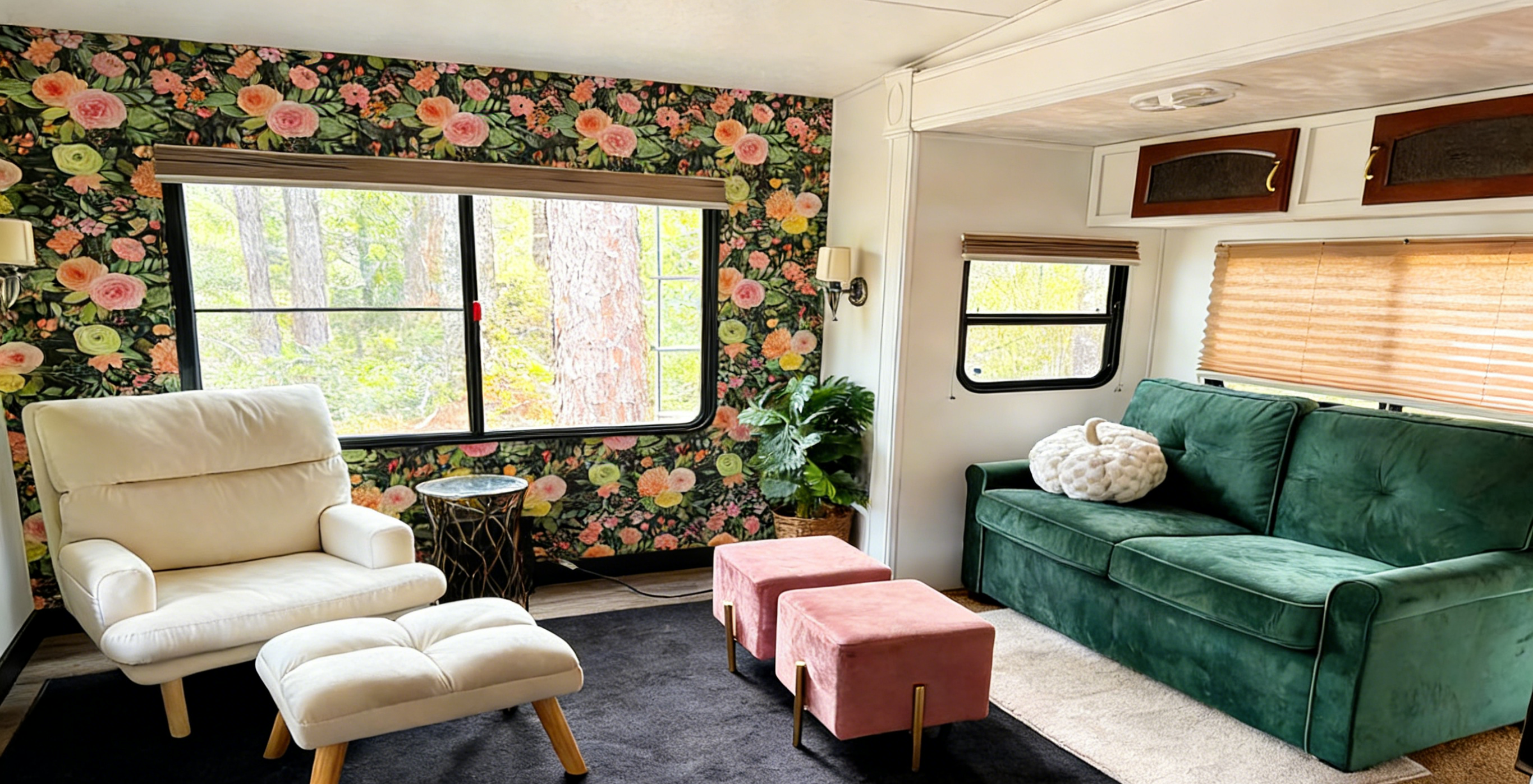
Posizionamento della parete d'accento: dove dovrebbe andare (e dove no)
La maggior parte delle persone crede che una parete d'accento riguardi semplicemente la scelta di una carta da parati audace o di un colore vivace.
Gli interior designer la vedono diversamente.
Il successo di una parete d'accento ha molto meno a che fare con il design in sé e molto più a che fare con dove la si posiziona.
Se posizionata sulla parete giusta, l'intera stanza sembra improvvisamente studiata ed equilibrata.
Se posizionata su quella sbagliata, anche la carta da parati più bella può far sembrare una stanza più piccola, goffa o visivamente caotica.
Il segreto non è la fantasia.
È il posizionamento.
Che cos'è una parete d'accento?
Una parete d'accento (spesso chiamata "statement wall") è una singola parete progettata per diventare l'ancora visiva di una stanza.
Invece di decorare ogni superficie, i designer concentrano l'attenzione su un'area strategica.
Una parete d'accento può presentare:
-
Carta da parati audace
-
Un colore a contrasto
-
Un murale o una fantasia oversize
-
Pannelli strutturati o listelli in legno
Ma il suo vero scopo non è la decorazione.
È la direzione visiva.
Una parete d'accento ben posizionata guida lo sguardo, definisce la disposizione e crea un naturale punto focale.
Quando è fatta correttamente, la stanza appare progettata, non solo decorata.
L'unica regola che i designer seguono sempre
I designer professionisti seguono solitamente una regola semplice:
La tua parete d'accento dovrebbe essere la parete su cui cade naturalmente il tuo sguardo quando entri nella stanza.
Di solito è il punto focale architettonico.
Invece di contrastare la disposizione naturale della stanza, i designer la esaltano.
I posti migliori per una parete d'accento
Alcune posizioni delle pareti funzionano quasi sempre.
Queste posizioni hanno già un'importanza visiva nella stanza.
Dietro il letto (Camera da letto)
Nelle camere da letto, il punto focale più naturale è la parete della testiera.
Questa posizione funziona perché il letto ancora già lo spazio.
Aggiungere carta da parati o un design audace dietro il letto:
-
incornicia l'arredamento
-
aggiunge profondità alla stanza
-
crea una disposizione equilibrata
Ecco perché le pareti d'accento dietro i letti sono una delle strategie di interior design più comuni.
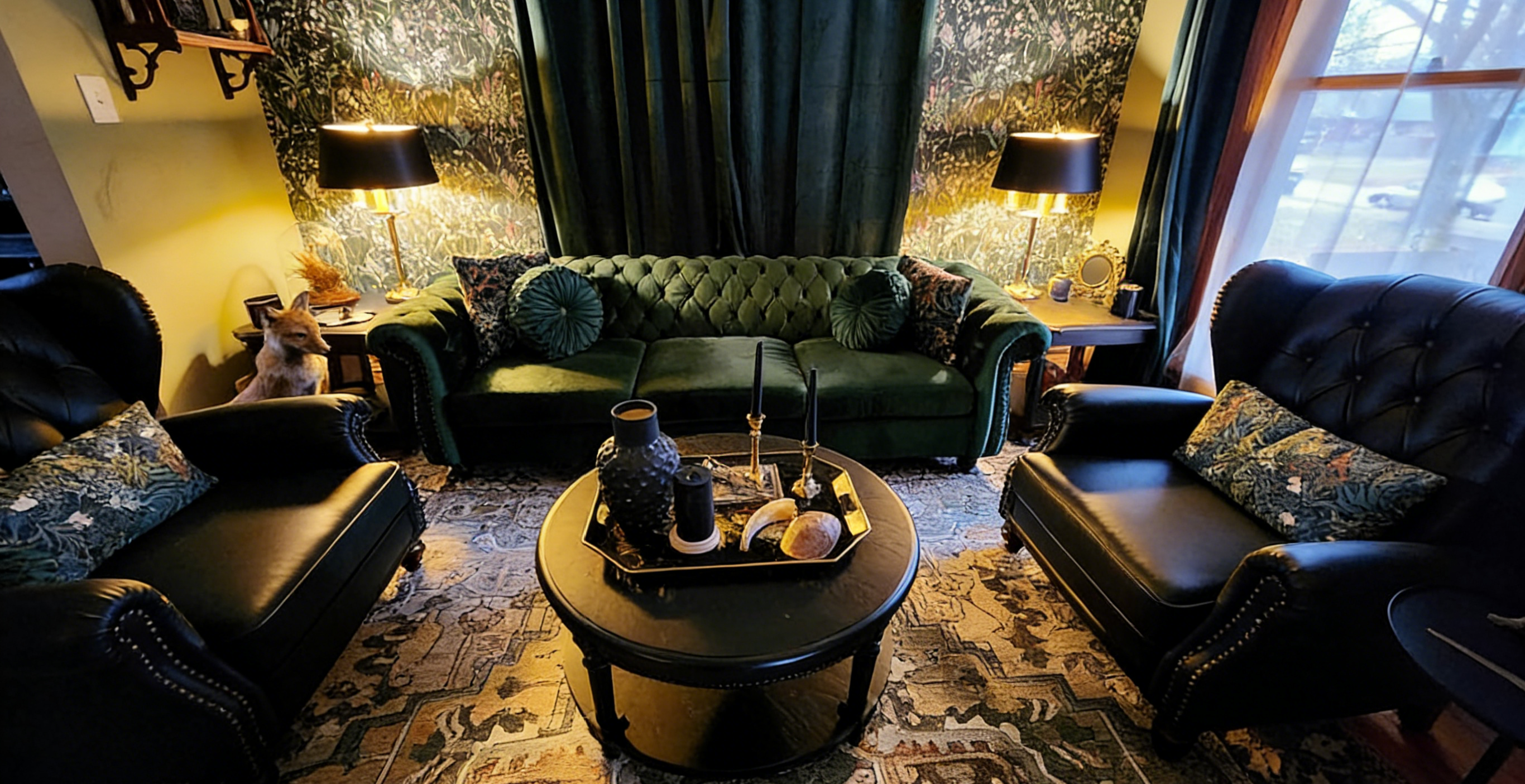
Dietro il divano (Soggiorno)
Nei soggiorni, i designer scelgono spesso la parete dietro il divano.
Ciò crea uno sfondo visivo per l'area salotto.
Aiuta a:
-
definire lo spazio abitativo
-
ancorare la disposizione dei mobili
-
creare equilibrio negli spazi aperti
Una carta da parati audace qui può rendere l'intera zona giorno più studiata.
La parete di fondo di una stanza piccola
In stanze piccole come:
-
bagni di servizio
-
studi domestici
-
angoli lettura
-
camere da letto strette
i designer evidenziano spesso la parete più lontana dall'ingresso.
Questo trucco crea un senso di profondità.
Quando lo sguardo è attratto verso il fondo della stanza, lo spazio appare spesso più grande.
È un'illusione sottile usata spesso dai designer.
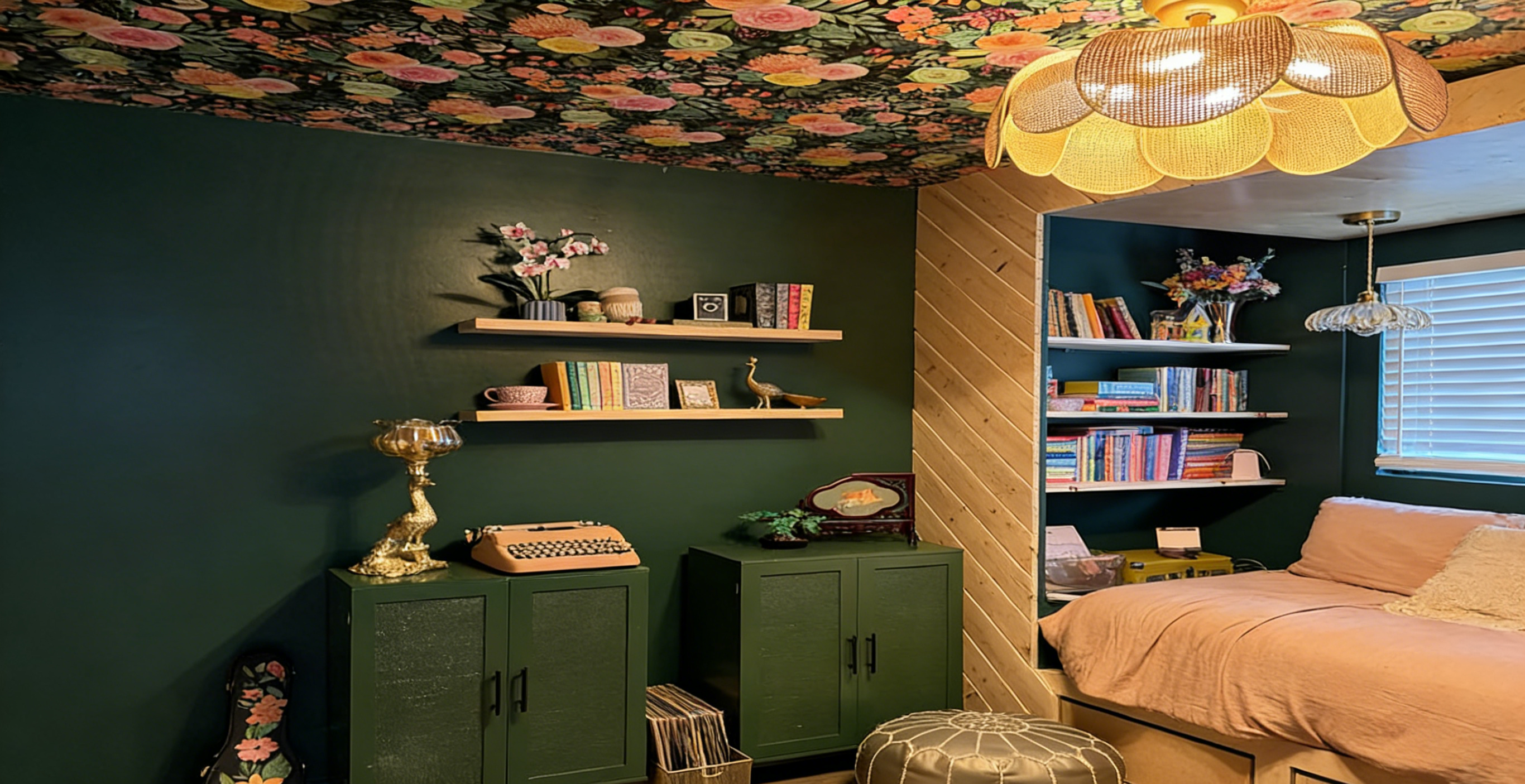
Nicchie architettoniche o elementi integrati
A volte la migliore parete d'accento non è nemmeno una parete intera.
Sezioni architettoniche più piccole possono funzionare magnificamente, inclusi:
-
nicchie incassate
-
alcove con scaffali
-
cornici di camini
-
armadi integrati
Applicare carta da parati o un colore audace in queste aree crea un effetto di design a strati.
Questo aggiunge personalità senza sopraffare l'intera stanza.
Dove una parete d'accento NON dovrebbe andare
Molte pareti d'accento falliscono per un motivo semplice.
Sono posizionate casualmente.
Ecco gli errori più comuni che i designer cercano di evitare.
Pareti piene di porte o finestre
Una parete d'accento necessita di continuità visiva.
Le pareti che contengono molteplici porte o finestre interrompono il design.
Le fantasie vengono spezzate e l'effetto si indebolisce.
Perché una parete d'accento funzioni, la superficie dovrebbe risultare ininterrotta e intenzionale.
Pareti laterali strette
Le piccole pareti laterali possono sembrare posti facili per un colore d'accento.
Ma raramente creano un punto focale forte.
Al contrario, possono rendere la stanza sbilanciata.
I designer preferiscono pareti d'accento che sembrino connesse alla disposizione principale della stanza.
Pareti che competono con il punto focale
Ogni stanza ha già un punto focale naturale.
Questo potrebbe essere:
-
un camino
-
un letto
-
grandi finestre
-
una parete multimediale
Se la tua parete d'accento compete con quell'elemento, la stanza risulta visivamente confusa.
L'accento dovrebbe supportare il punto focale, non combatterlo.
Il concetto di design che molti ignorano: il peso visivo
Gli interior designer pensano spesso in termini di peso visivo.
Carta da parati audace, colori scuri e grandi fantasie hanno più peso visivo rispetto a superfici neutre.
Ecco perché le pareti d'accento funzionano meglio quando si allineano con la struttura esistente della stanza.
Esempi includono:
-
dietro mobili grandi
-
intorno ai camini
-
all'interno di cornici architettoniche
Quando il peso visivo è bilanciato con la disposizione della stanza, tutto sembra armonioso.
Quando non lo è, la stanza sembra leggermente "fuori posto".
Perché le pareti d'accento funzionano particolarmente bene nelle stanze piccole
Gli spazi piccoli beneficiano spesso maggiormente delle pareti d'accento.
Invece di coprire ogni parete, i designer concentrano la personalità in un'unica area.
Ciò impedisce alla stanza di sembrare disordinata aggiungendo comunque carattere.
Le pareti d'accento sono particolarmente popolari in:
-
bagni di servizio
-
ingressi
-
angoli lettura
-
piccole camere da letto
Poiché questi spazi sono compatti, anche un piccolo cambiamento di design può avere un impatto drammatico.
Checklist rapida per il designer prima di scegliere la parete d'accento
Prima di installare carta da parati o vernice audace, chiediti:
Questa parete attira naturalmente l'attenzione?
La parete è visivamente ininterrotta?
Supporta il punto focale della stanza?
Bilancerà la disposizione dei mobili?
Se la risposta è sì alla maggior parte di queste domande, probabilmente hai trovato la parete giusta.
Il vero segreto dietro le pareti d'accento
Una parete d'accento non riguarda l'essere più appariscenti.
Riguarda l'essere strategici.
Il giusto posizionamento guida lo sguardo, ancora la stanza e crea equilibrio visivo.
Il posizionamento sbagliato fa l'opposto.
Prima di scegliere una carta da parati drammatica o un colore audace, prenditi un momento per studiare la stanza.
Fatti una domanda semplice:
Dove dovrebbe iniziare la storia della stanza?
Quella è la parete che vale la pena evidenziare.

Commenta
Questo sito è protetto da hCaptcha e applica le Norme sulla privacy e i Termini di servizio di hCaptcha.