Come reperire carta da parati botanica, geometrica e murale all'ingrosso per la tua attività di design
La carta da parati non si limita a coprire una parete: rinnova silenziosamente l'atmosfera di uno spazio.
— JIFFDIFF
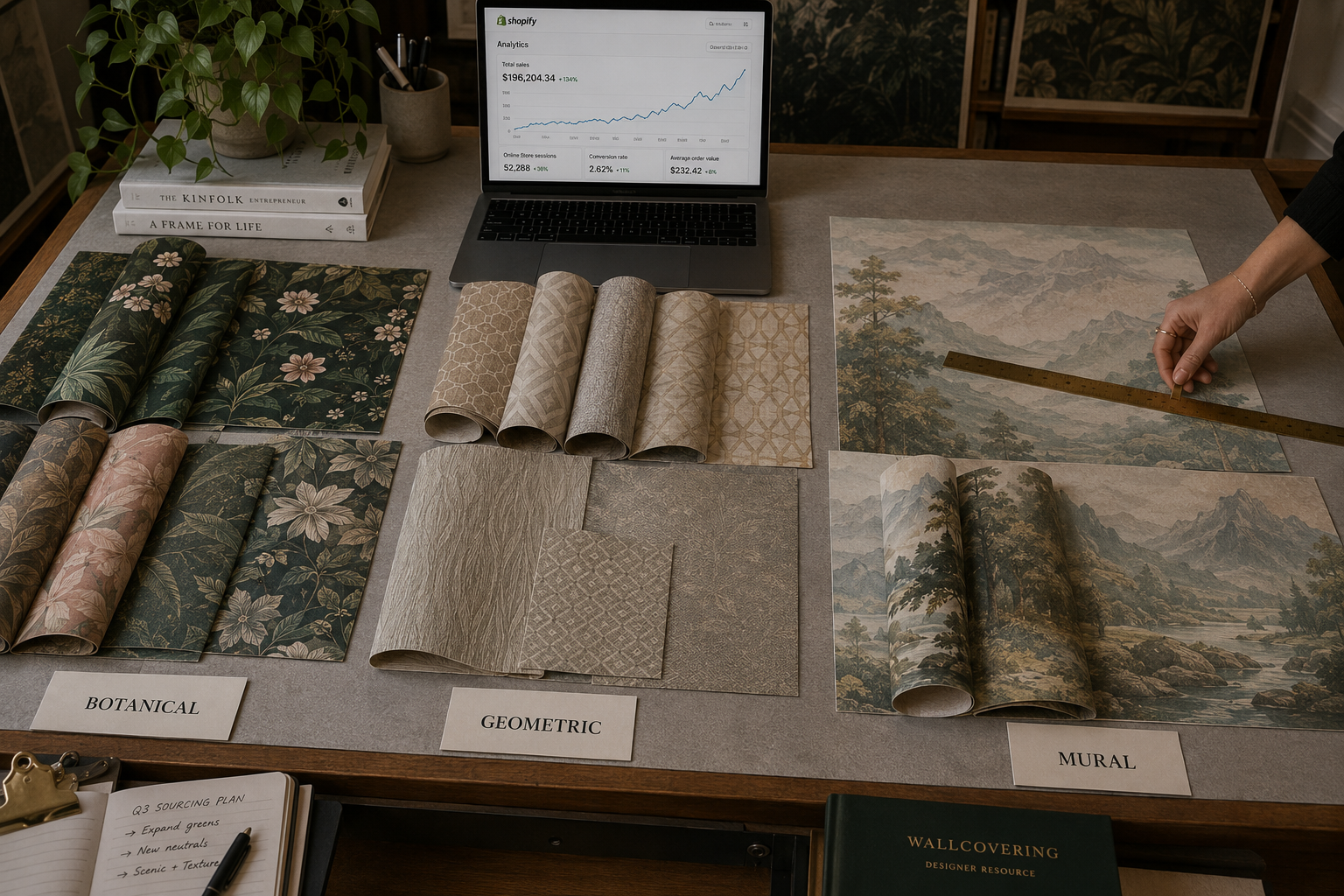
Tre categorie trainano la maggior parte del fatturato nel settore della carta da parati di design nel 2026: botanico, geometrico e murales. Sono i motivi che i clienti richiedono esplicitamente. Sono le fotografie che vengono salvate su Instagram. Sono gli SKU che trasformano il portfolio di un designer in un'identità visiva riconoscibile. Acquistare tutti e tre in grandi volumi — a margini che proteggono la tua attività e con tempistiche che rispettano i programmi dei tuoi progetti — è la spina dorsale operativa che distingue gli studi che crescono da quelli che restano ancorati a singoli progetti.
Questa guida è pensata per interior designer, home stager, fondatori di studi e creatori di marchi DTC che hanno superato la fase di acquisto di singoli rotoli al dettaglio e hanno bisogno di approvvigionarsi di queste tre categorie su scala professionale. Tratteremo le considerazioni di design specifiche per ogni categoria, il quadro di approvvigionamento all'ingrosso che protegge i tuoi margini e la coerenza, la logica di canale che ti porta da un singolo rotolo di prova a un programma completo per lo studio, e le specifiche funzionalità di JIFFDIFF che rendono possibile questa transizione senza un impegno di inventario a sei cifre.

Parte 1 · Le tre categorie: perché proprio queste tre?
Perché il botanico, il geometrico e il murales dominano l'approvvigionamento nel design nel 2026?
Delle oltre 30 categorie di motivi prodotte nel mercato statunitense della carta da parati, queste tre rappresentano la maggior parte delle vendite nel settore del design per una ragione strutturale: rispondono ai tre brief dei clienti più attivi nel design residenziale e commerciale leggero — e sono abbastanza versatili da sostenere il fatturato ricorrente di uno studio senza il rischio legato ai cicli delle tendenze.
+1.150% le ricerche su Google per 'mural wallpaper' nel 2025 che guidano le specifiche di design del 2026
3 le categorie principali che ancorano la maggior parte dei cataloghi degli studi di design botanico / geometrico / murales
100+ nuovi SKU lanciati mensilmente da JIFFDIFF in tutte e tre le categorie calibrati in base alle vendite sul mercato statunitense
L'approvvigionamento per il design professionale non è una decisione che riguarda il singolo rotolo: è una strategia di inventario e di catalogo. L'American Society of Interior Designers (ASID) — l'ente di riferimento per la pratica del design d'interni negli Stati Uniti — ha costantemente riportato nelle sue ricerche annuali che i designer che costruiscono entrate ricorrenti oltre al lavoro basato su commissione lo fanno attraverso un numero limitato di relazioni fidate con i fornitori e strategie concentrate sugli SKU. Gli studi che crescono non si approvvigionano di 50 motivi diversi. Si approvvigionano in modo approfondito di 12–20 motivi in un numero ristretto di categorie.
01 Botanico
La natura sulla parete. La categoria che non passa mai di moda, cambiano solo le colorazioni.
Cosa rende il botanico la categoria di riferimento per la maggior parte degli studi di design?
La stampa botanica è stata costantemente tra le prime tre categorie nelle prestazioni della carta da parati autoadesiva per quattro anni consecutivi — ed è l'unica categoria che offre ottimi risultati di vendita presso praticamente ogni demografia di clienti. Dal cliente minimalista moderno che risponde bene a una stampa leggera con foglie di monstera, al massimalista che desidera un murales con una foresta profonda, fino al romantico che sceglie motivi floreali color rosa polvere su crema — il botanico assorbe l'intera gamma di estetiche personali senza perdere slancio commerciale.
Per l'approvvigionamento professionale, la logica strategica del botanico è semplice: è la categoria più sicura da tenere in magazzino. Uno studio con 8 SKU botanici di diverse scale (piccola foglia ripetuta, tropicale a media scala, grande floreale da giardino, murales a scala maggiorata) e palette (terra calda, foresta profonda, rosa polvere, salvia e crema) copre la maggior parte dei brief dei clienti senza impegnare eccessivamente l'inventario.
• Sottocategorie a più alta velocità: Fogliame tropicale su larga scala, floreali da giardino pittorici, botanici a inchiostro sumi, murales con felci di grandi dimensioni
• Migliori target di clienti: Acquirenti attenti al benessere, specifiche per camere da letto padronali, sale da pranzo e bagni degli ospiti, hall di strutture ricettive
• Palette colori 2026: Verde foresta profondo, terracotta calda, rosa polvere, salvia, blush, botanico notturno
• Nota sull'approvvigionamento all'ingrosso: Ordina almeno 3 varianti colore per disegno in volume — i clienti del botanico acquistano in base all'abbinamento della palette, non solo per il motivo, quindi una singola variante colore ti porterebbe a rifiutare dei progetti
02 Geometrico
Il motivo come architettura. La categoria che definisce la stanza senza entrare in competizione con essa.
Perché il geometrico rimane essenziale nonostante i titoli sul 'trionfo del massimalismo'?
Il design geometrico si è evoluto nel 2026: scale più morbide, palette tenui e bordi organici hanno sostituito la grafica audace ad alto contrasto del 2020–2023. La categoria non è in declino, è in maturazione. E per gli studi di design che servono clienti moderni, di transizione e minimalisti, il geometrico rimane la categoria di motivi essenziale che il botanico e il murales non possono coprire.
Le specifiche geometriche del 2026 che si muovono effettivamente in volumi elevati sono diverse da ciò che si vendeva tre anni fa. Le ripetizioni in bianco e nero dai bordi netti hanno lasciato il posto a diamanti morbidi, chevron tenui, griglie a micropattern, effetti moiré dimensionali e motivi Art Déco dai toni terrosi. Questi design aggiungono ritmo visivo senza dominare, rendendoli il cavallo di battaglia per uffici, corridoi, stanze per bambini e asili nido — zone di progetto ad alto volume per le quali il massimalismo botanico non è adatto.
• Sottocategorie a più alta velocità: Ripetizioni di diamanti morbidi, chevron tenui, moiré dimensionale, revival Art Déco in toni terrosi
• Migliori target di clienti: Minimalista moderno, transizionale, uffici contemporanei, stanze per bambini, corridoi e zone di progetto ad alto volume
• Palette colori 2026: Tortora caldo, salvia tenue, blu polvere, crema, terracotta, verde acqua tenue
• Nota sull'approvvigionamento all'ingrosso: Il geometrico si riordina bene: una volta che uno studio stabilisce uno SKU geometrico distintivo nel proprio catalogo, tende a ripresentarsi in più progetti, rendendolo la categoria più gratificante da approfondire piuttosto che espandere
03 Murales
La parete che diventa la stanza. Il formato che costruisce la firma di uno studio.
Perché i murales sono la categoria a margine più elevato nell'approvvigionamento per il design?
La carta da parati a murales è la categoria rivelazione del 2026: le ricerche su Google sono aumentate di oltre il 1.150% nel 2025 e tale domanda si è tradotta direttamente nel volume delle specifiche B2B. Per gli studi di design, l'approvvigionamento di murales opera con un'economia diversa rispetto ai motivi ripetuti: valore medio dell'ordine più alto, opportunità di margine più solida e il percorso più chiaro verso l'autorevolezza del design nel tempo.
La differenza strategica: la carta da parati a motivi è una decisione di specifica; la carta da parati a murales è una decisione di paternità del design. Quando commissioni un murales personalizzato per il progetto di un cliente, non stai selezionando da un catalogo, stai dirigendo l'opera d'arte. Nel tempo, la specifica ripetuta di murales costruisce un portfolio di studio che attrae clienti che desiderano quello specifico stile. È così che le attività di design passano dalle commissioni per singolo progetto alle entrate ricorrenti derivanti da una linea di prodotti di marca.
• Sottocategorie a più alta velocità: Paesaggi panoramici (montagna, costiera, acquerello), massimalismo biofilico (foresta, giungla), movimento astratto pittorico, ispirazione heritage (toile, chinoiserie a scala personalizzata)
• Migliori target di clienti: Camera da letto padronale (dietro il letto), sala da pranzo (parete focale), bagno degli ospiti (lo spazio piccolo tollera l'audacia), ospitalità boutique, saloni di bellezza e spazi commerciali
• Direzione del design 2026: Composizioni continue, sensazione di dipinto a mano, ecosistemi a strati, profondità dell'acquerello, motivi classici a scala moderna
• Nota sull'approvvigionamento all'ingrosso: I murales richiedono una pianificazione delle giunture a livello di pannello e una gestione del colore con tolleranza ΔE ≤ 2.0 su tutti i pannelli — requisito non negoziabile per installazioni multi-pannello
Parte 2 · Il quadro per l'approvvigionamento all'ingrosso
Come approvvigionarsi di tutte e tre le categorie senza impegnare eccessivamente il capitale?
L'approvvigionamento per il design professionale richiede un modello diverso rispetto agli acquisti del consumatore residenziale. Il volume varia. La fase di convalida è importante. La logica di canale determina il margine. Ecco il quadro di riferimento che funziona per gli studi che passano da un modello di progetto singolo a operazioni di inventario e programma.
|
Volume dell'ordine |
Canale di approvvigionamento |
Tempi di consegna |
Cosa ottieni |
|
1 rotolo (convalida) |
JIFFDIFF Amazon |
2–4 giorni |
SKU a magazzino, consegna Prime |
|
1–10 rotoli (prova) |
TikTok Shop o B2B |
2–5 giorni / 48 ore |
A magazzino o campione per convalida |
|
10–50 rotoli |
Catalogo B2B ODM |
15 giorni |
Prezzi studio + pacchetto contenuti |
|
50–200 rotoli |
B2B ODM o OEM |
15 giorni |
Batch bloccato + private label |
|
200+ rotoli |
Programma Studio B2B OEM |
15 giorni |
Personalizzazione completa, protezione IP, spedizioni multiple |
Il percorso di approvvigionamento in quattro fasi dello studio
Questo è il percorso che la maggior parte delle attività di design intraprende effettivamente quando passa all'approvvigionamento di carta da parati all'ingrosso: basato sul principio di convalidare prima di impegnare capitale.
• Fase 1 — Scoperta (Amazon, TikTok Shop). Ordina un singolo rotolo di un design adatto a un progetto in corso. Consegna Prime in 2–4 giorni da Amazon, 2–5 giorni da TikTok Shop. Installalo in un progetto reale. Fotografalo sotto l'illuminazione di lavoro del tuo studio. Questa è una convalida, non un approvvigionamento — e costa meno di 50$ per ogni design testato.
• Fase 2 — Specifica di progetto (richiesta campione B2B). Una volta che un design ha superato la convalida, richiedi un campione fisico B2B (spedizione in 48 ore) per la specifica del progetto reale. È lo stesso prodotto a prezzi da studio, con pacchetto contenuti disponibile e tolleranza colore ΔE documentata per l'ambiente di installazione del progetto.
• Fase 3 — Volume Build (B2B ODM per 10–50 rotoli). Dopo 2–3 specifiche di progetto riuscite, effettua un ordine di volume di SKU collaudati a prezzi B2B ODM. È qui che i margini iniziano a giocare a tuo favore: i prezzi per lo studio sui volumi sono solitamente del 30–45% migliori rispetto all'equivalente al dettaglio, e il pacchetto di contenuti supporta i tuoi risultati per i clienti e il tuo marketing.
• Fase 4 — Programma Studio (B2B OEM con private label). Quando hai una richiesta ricorrente da parte dei clienti per design specifici, passa alla produzione personalizzata OEM con il marchio del tuo studio. I tuoi file di design, il tuo packaging, la tua proprietà intellettuale protetta per iscritto. Questo è il punto di svolta che trasforma un'attività di design in qualcosa che va oltre i semplici compensi per singolo progetto.
Il principio alla base di questo percorso: non dovresti mai impegnarti in scorte di magazzino prima di averle convalidate con un'installazione reale presso un cliente. La disponibilità multicanale di JIFFDIFF — Amazon, TikTok Shop, B2B ODM, B2B OEM — è strutturata intenzionalmente affinché un designer possa passare dalla Fase 1 alla Fase 4 nel giro di 6–12 mesi, man mano che l'attività cresce, senza mai sovra-impegnarsi in una fase che non corrisponde al volume effettivo dello studio.
Parte 3 · Prima di effettuare un ordine all'ingrosso
Cosa dovresti confermare con qualsiasi fornitore prima di impegnarti in volumi elevati?
L'approvvigionamento di carta da parati all'ingrosso è l'ambito in cui i problemi minori con i fornitori diventano grandi problemi per lo studio. Variazioni cromatiche tra i lotti. Tempistiche di campionatura che non rispettano le scadenze del progetto. Contenuti mancanti per i listini e le presentazioni che l'inventario dovrebbe supportare. Ecco il quadro delle specifiche pre-ordine che protegge il tuo studio.
|
Prima di ordinare |
Cosa confermare |
Risposta da evitare |
|
Costanza del lotto |
Tolleranza ΔE ≤ 2.0 per iscritto |
'I nostri colori sono molto simili' |
|
Produzione in lotto singolo |
Confermata per l'intero ordine, per iscritto |
'Cercheremo di abbinarli' |
|
Tempi di consegna campioni fisici |
48 ore dall'approvazione delle specifiche |
5+ giorni lavorativi |
|
Tempi di produzione personalizzata |
15 giorni lavorativi, dati documentati |
30+ giorni o risposta vaga |
|
Qualità del substrato |
Vinile su supporto in tessuto 0.25mm+ |
Carta sottile, senza specifiche |
|
Protezione IP (personalizzata) |
Clausola scritta, il tuo design resta tuo |
Nessuna clausola, nessuna protezione |
|
Pacchetto contenuti |
Foto + rendering + guida all'installazione inclusi |
Fai-da-te o a pagamento separato |
|
Spedizioni multiple / consegne scaglionate |
Disponibili per lanci di progetti graduali |
Solo spedizione singola |
Le tre domande pre-ordine che proteggono ogni decisione di acquisto all'ingrosso
• "Potete confermare per iscritto la produzione in lotto singolo per questo ordine?" Per gli ordini all'ingrosso che coprono più siti di progetto o un singolo murale a più pannelli, la coerenza del lotto è ciò che distingue un'installazione professionale da una variazione cromatica visibile tra i rotoli. Se il fornitore esita, chiede 'perché?' o offre una risposta basata sul 'massimo sforzo', non hai un partner in grado di gestire ordini all'ingrosso.
• "Qual è la vostra specifica di tolleranza cromatica ΔE per iscritto?" Il ΔE ≤ 2.0 è il punto di riferimento professionale: la soglia al di sotto della quale l'occhio umano non riesce a rilevare differenze di colore con un'illuminazione standard. Un fornitore che non può fornire questo documento non gestisce il colore come specifica di produzione, il che significa che i tuoi riordini non corrisponderanno a ciò che avevi originariamente specificato.
• "Cosa è incluso nel pacchetto contenuti per gli ordini B2B?" Per l'approvvigionamento di un'attività di design, i contenuti che arrivano con il prodotto fanno parte del prodotto stesso. Fotografie in stile per i listini, rendering ambientali per le presentazioni ai clienti, documentazione d'installazione per l'impresa o l'allestitore. Se i contenuti mancano o vengono addebitati separatamente, il costo di approvvigionamento è appena aumentato di 500-2.000 dollari per SKU in fotografia, che dovrai finanziare autonomamente.

Parte 4 · Perché JIFFDIFF per l'approvvigionamento all'ingrosso nel design
Cosa offre JIFFDIFF specificamente per gli studi di design in crescita?
JIFFDIFF è stato costruito attorno alle realtà operative dell'approvvigionamento per studi di design professionali, non sulla superficie di marketing dei marchi di carta da parati rivolti ai consumatori. Per gli studi di design che passano dalla gestione progetto-per-progetto ai programmi di inventario, ecco le capacità specifiche che contano:
Le capacità specifiche per lo Studio
• 0 MOQ (quantità minima d'ordine) in ogni fase — dalla convalida del singolo rotolo alla produzione personalizzata in volume. Testa qualsiasi design al costo del singolo rotolo prima di impegnarti nelle specifiche di un progetto. Scala al volume del programma studio solo quando la domanda convalidata lo giustifica.
• Spedizione di campioni fisici in 48 ore — campioni in scala di produzione (non semplici ritagli) consegnati agli indirizzi dello studio o direttamente nei cantieri. I campioni che arrivano in 48 ore sono lo stesso prodotto e hanno la stessa qualità della produzione di volume che seguirà.
• 100+ nuovi SKU mensili in tutte e tre le categorie — il nostro team di design interno di 12 persone lancia ogni mese nuovi design botanici, geometrici e murali, calibrati sui dati estetici del mercato statunitense. Non ti rifornirai mai da un catalogo che ha raggiunto il picco due anni fa.
• Tolleranza cromatica ΔE ≤ 2.0, per iscritto — produzione calibrata G7 con numeri di lotto documentati su ogni scatola. Gli ordini per più sedi e più pannelli si abbinano in modo affidabile per l'intero progetto.
• Produzione personalizzata OEM con protezione IP — quando sei pronto a trasformare design personalizzati in una collezione esclusiva dello studio, i file di design restano tuoi; non possiamo riprodurre, rivendere o concedere in licenza la tua opera d'arte personalizzata ad altri acquirenti, per iscritto.
• Pacchetto contenuti incluso — fotografie in stile, rendering ambientali, documentazione d'installazione consegnati insieme agli ordini dei prodotti per i clienti del programma studio. L'infrastruttura di vendita è inclusa con il prodotto, non fatturata separatamente.
• Capacità di spedizioni multiple — lanci di progetti graduali (allestimenti multi-proprietà, installazioni sequenziali per clienti, programmi di lancio retail) supportati attraverso consegne scaglionate da un unico ordine confermato.
La convinzione di fondo
In JIFFDIFF, crediamo che una carta da parati faccia molto di più che coprire una parete: cambia il carattere di uno spazio. Per le aziende di design, questa convinzione si traduce in una posizione operativa specifica: un partner manifatturiero che tratta la crescita del tuo studio come parte integrante del prodotto. Abbiamo iniziato con l'idea che gli spazi belli non debbano essere costosi, complicati o fuori portata. Per gli studi di design che acquistano all'ingrosso, ciò significa 0 MOQ nella fase di convalida, coerenza del lotto nei volumi, protezione della proprietà intellettuale su scala e consegna dei contenuti integrata in ogni ordine — perché una relazione di approvvigionamento che cresce con il tuo studio è fondamentalmente diversa da un fornitore che si limita a spedire scatoloni quando ordini.

Parte 5 · FAQ — Risposte specifiche che mettono fine alla ricerca
Domande frequenti: Approvvigionamento all'ingrosso di carta da parati per studi di design
Tratto da Reddit (r/InteriorDesign, r/designbusiness, r/ecommerce, r/smallbusiness, r/HomeStaging) e dalle query più frequenti su Google riguardanti l'approvvigionamento di carta da parati per studi di design.
D: Come fanno gli interior designer ad approvvigionarsi di carta da parati all'ingrosso per molteplici progetti di clienti?
Tramite un produttore B2B a servizio completo che offre 0 MOQ per la convalida, campioni fisici in 48 ore, prezzi B2B ODM per 10-50 rotoli e produzione personalizzata OEM con protezione della proprietà intellettuale su scala di programma studio — il modello di JIFFDIFF è costruito esattamente attorno a questo percorso di approvvigionamento, con la possibilità di test retail su Amazon e TikTok Shop prima di un impegno B2B.
D: Qual è l'ordine minimo per la carta da parati all'ingrosso da un fornitore B2B?
Lo standard professionale B2B è 0 MOQ per la convalida dei campioni e i test di piccoli lotti, con prezzi di volume che solitamente si sbloccano a 50-200 rotoli per SKU; i fornitori che richiedono 500+ rotoli prima della campionatura sono configurati per acquirenti di grandi catene, non per studi di design che creano cataloghi propri.
D: Come posso garantire la coerenza cromatica in un ordine all'ingrosso che copre più progetti?
Richiedi una specifica scritta di tolleranza cromatica ΔE ≤ 2.0, conferma per iscritto la produzione in lotto singolo per l'intero ordine e assicurati che i numeri di lotto siano documentati su ogni etichetta della scatola — il protocollo batch-lock di JIFFDIFF è lo standard per qualsiasi ordine multi-progetto e include la documentazione di tracciabilità del lotto insieme alla spedizione.
D: Qual è il tempo di consegna tipico per la produzione di carta da parati B2B personalizzata?
48 ore per la spedizione dei campioni fisici, 15 giorni lavorativi dall'ordine di produzione confermato alla disponibilità per la spedizione — questo è il benchmark JIFFDIFF B2B documentato con consegne puntuali al 100% per i clienti studio attivi; i fornitori che citano 30+ giorni non sono configurati per le scadenze dei progetti di design.
D: Uno studio di design può ottenere contenuti come la fotografia di prodotto inclusi negli ordini all'ingrosso?
Sì — i produttori B2B a servizio completo come JIFFDIFF includono fotografie di prodotto in stile, rendering ambientali e documentazione d'installazione come parte del pacchetto di consegna del programma studio; i fornitori che non forniscono contenuti costringono gli studi a finanziare la propria fotografia a 500-2.000 dollari per SKU, aumentando significativamente il costo unitario effettivo.
D: Dovrei approvvigionarmi di carta da parati botanica, geometrica e murale dallo stesso fornitore o da fornitori diversi?
Consolidare tutte e tre le categorie con un unico produttore a servizio completo semplifica la coerenza del lotto, la consegna dei contenuti e le operazioni di ordinazione; JIFFDIFF lancia 100+ nuovi SKU mensili in tutte e tre le categorie, con standard di qualità coerenti e consegna dei contenuti, eliminando il problema del coordinamento tra più fornitori che frammenta la maggior parte dell'approvvigionamento per gli studi di design.
D: Qual è la differenza tra l'approvvigionamento B2B ODM e OEM per uno studio di design?
ODM significa selezionare dal catalogo esistente del produttore con personalizzazioni (variante colore, scala, packaging brandizzato); OEM significa produrre design completamente personalizzati partendo dalle opere originali del tuo studio con protezione della proprietà intellettuale — l'ODM è più veloce da lanciare con un accesso al catalogo più ampio, l'OEM offre una maggiore differenziazione e la proprietà del design per gli studi che creano collezioni esclusive.
D: Come posso convalidare un design di carta da parati prima di impegnarmi in un ordine all'ingrosso?
Il percorso di convalida professionale: ordina un singolo rotolo su Amazon o TikTok Shop (25-50 dollari), installalo in uno spazio di progetto reale, fotografalo sotto l'illuminazione di lavoro effettiva, quindi richiedi un campione fisico B2B in 48 ore per le dimensioni e il colore specifici del progetto prima di effettuare l'ordine di volume — questo protegge sia da discrepanze di design che da variazioni di qualità del fornitore.

Commenta
Questo sito è protetto da hCaptcha e applica le Norme sulla privacy e i Termini di servizio di hCaptcha.